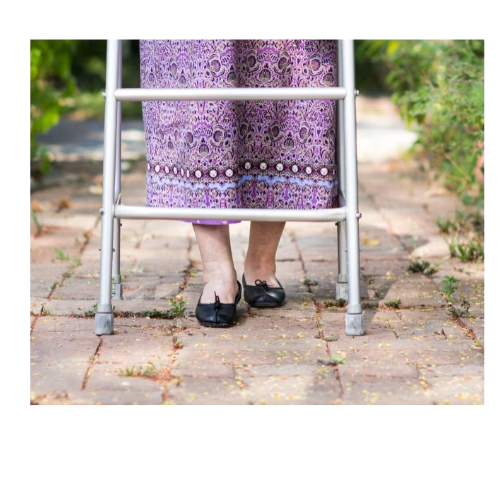
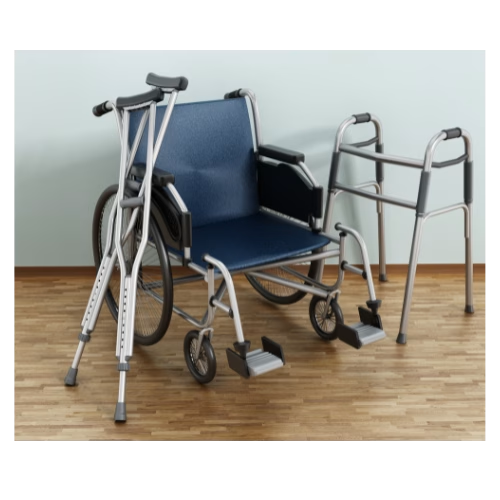
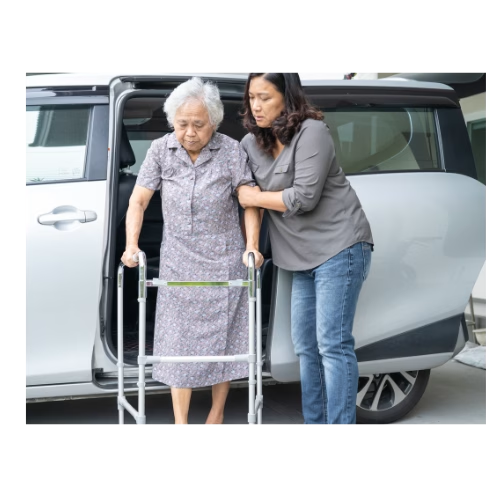
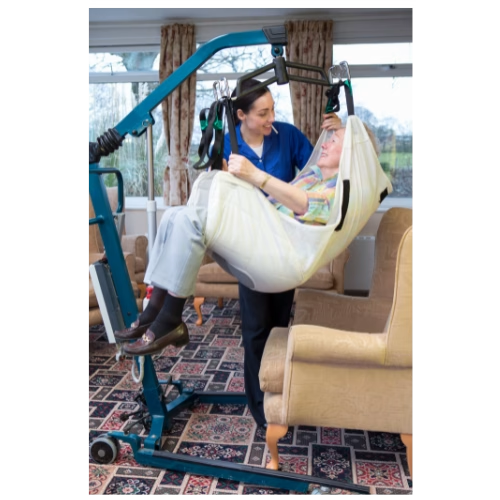
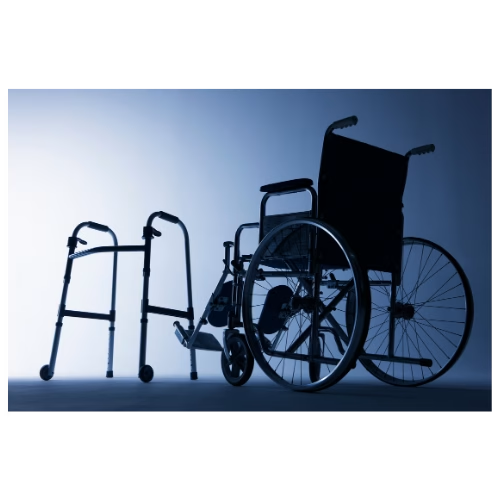
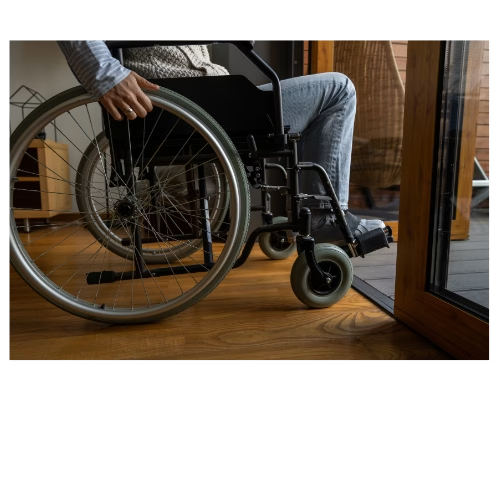
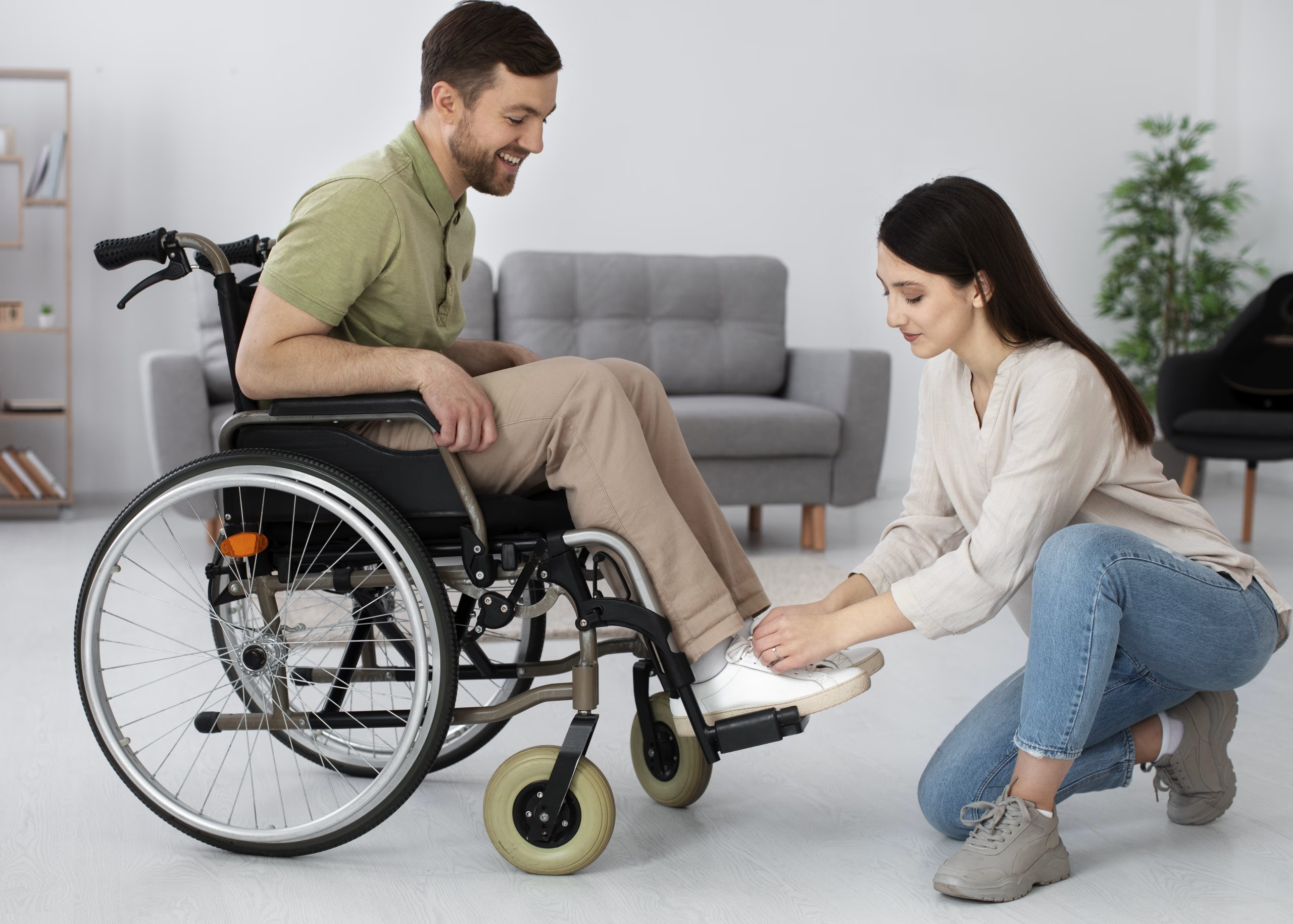
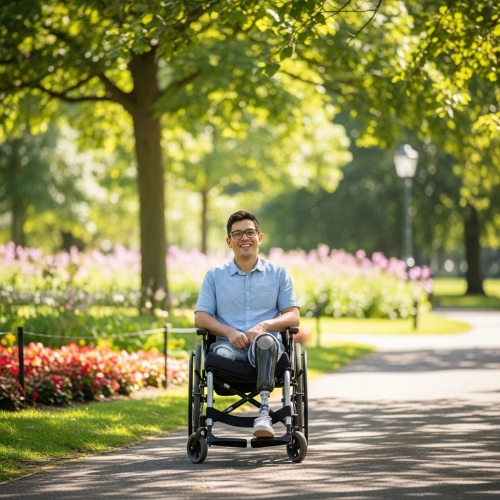
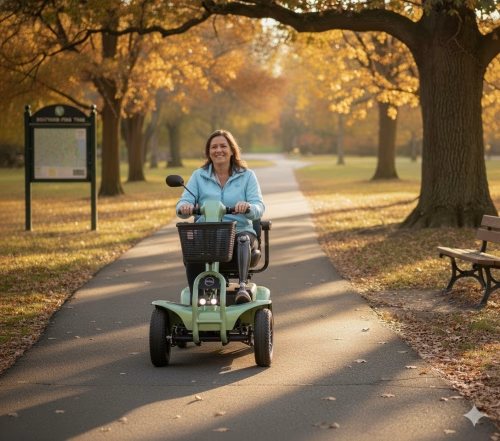
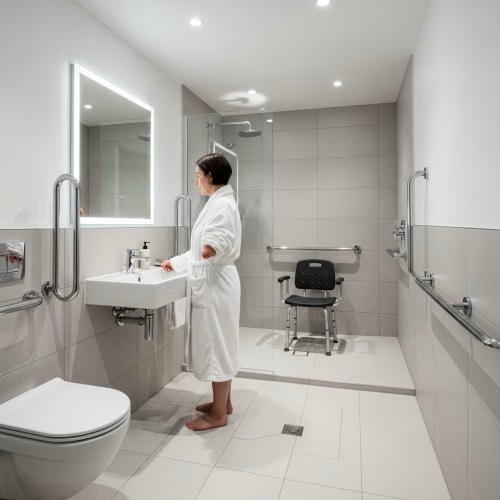
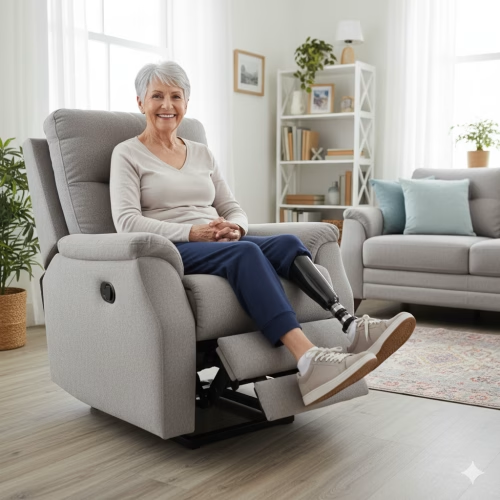
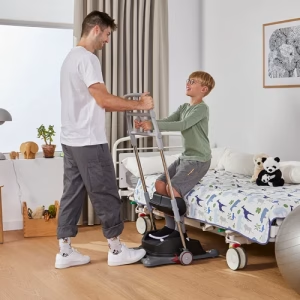
Disabilities is a blog category about a wide range of disabilities. It covers physical disabilities, learning disabilities, neurological disabilities, sensory disabilities, and mobility impairments. You will find helpful guides, practical advice, and useful insights here. Topics include disability support, accessibility, independent living, assistive equipment, daily living aids, and inclusive care. We aim to share clear information for people living with disabilities, as well as families, carers, and professionals. This category explores different disabilities and offers support that can help improve daily life, independence, and wellbeing.
Living with Multiple Sclerosis (MS) can bring a range of physical challenges. Fatigue, muscle weakness, and balance issues are common, which can make everyday tasks more difficult. Fortunately, the right mobility equipment can help maintain independence, improve safety, and make daily life easier.
If you’d like more information and support, you can visit the MS Society for further guidance.
Walkers and Rollators
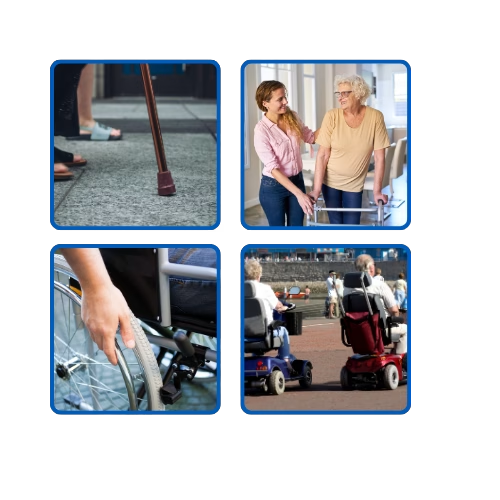
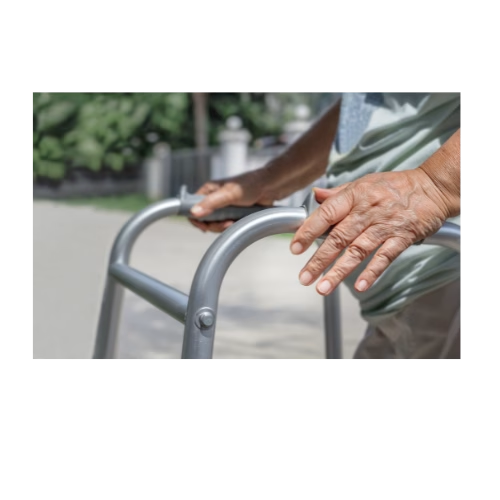
Walkers and rollators are excellent tools for maintaining stability and balance. A standard walker provides a firm support frame, ideal for short distances around the home. Rollators, on the other hand, usually have wheels and a built-in seat, allowing users to rest when needed.
Choosing the right walker depends on your level of mobility. Many people with MS find that a lightweight, adjustable rollator helps them move around safely and comfortably.
Manual and Powered Wheelchairs
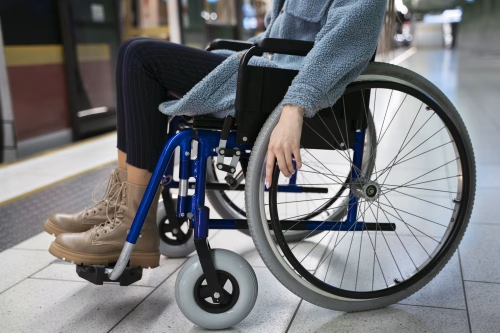
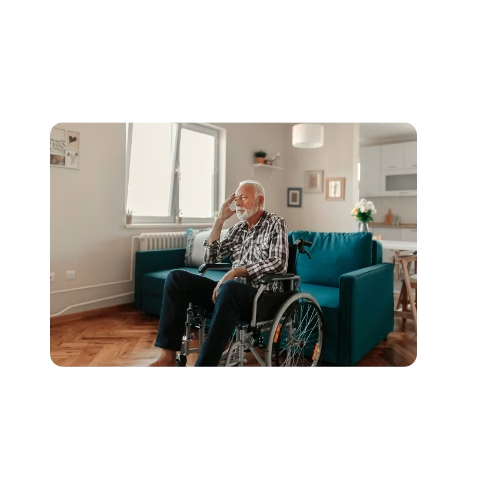
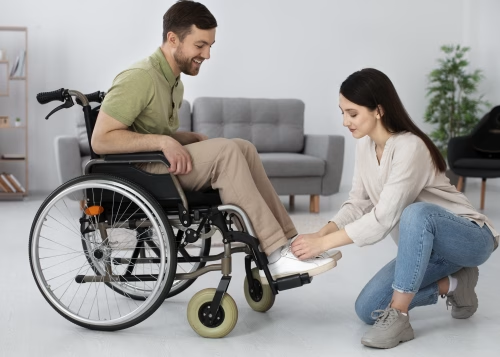
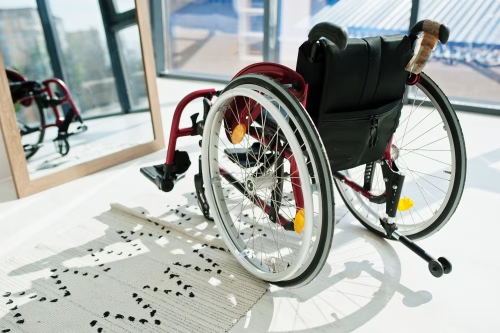
Wheelchairs are essential for individuals whose mobility is significantly affected. Manual wheelchairs require physical strength to operate, making them suitable for those with good upper-body function.
Powered wheelchairs (or powerchairs) offer greater independence for those with limited strength or endurance. They can navigate various terrains and often come with customizable seating for added comfort.
Both manual and powered wheelchairs can make a big difference in day-to-day life, allowing users to conserve energy and maintain independence.
Bathroom and Daily Living Aids
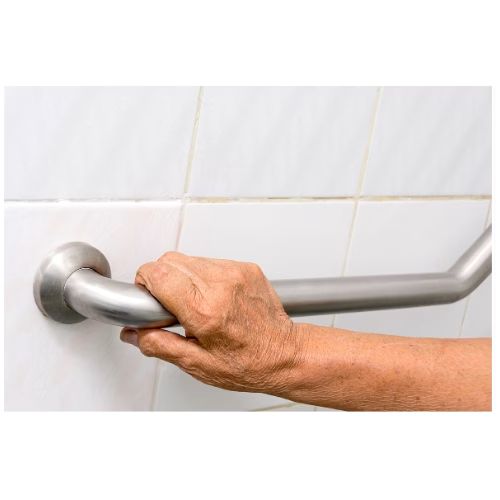
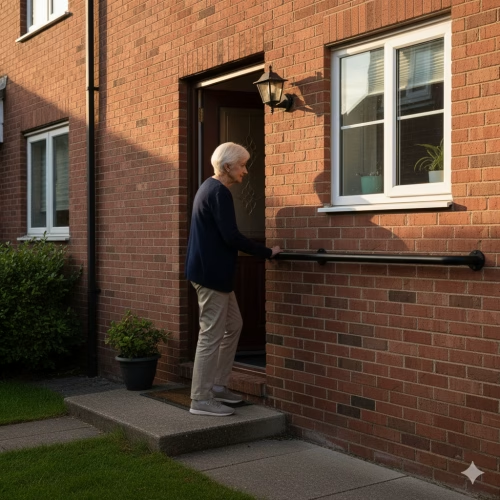
MS can make everyday tasks like bathing, using the toilet, or getting dressed more challenging. Bathroom aids, such as shower chairs, grab rails, and raised toilet seats, provide additional support and reduce the risk of slips and falls.
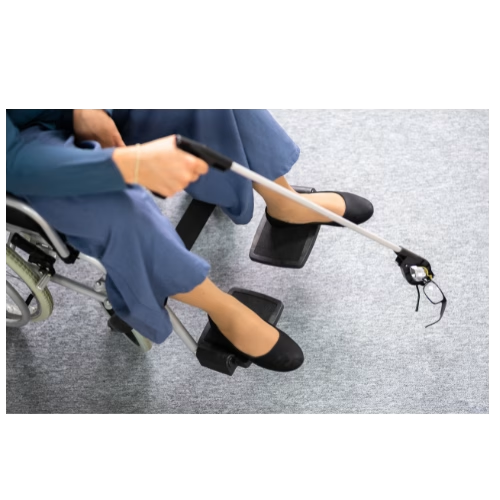
Other daily living aids, including dressing sticks, sock aids, and adaptive cutlery, can also make routine activities simpler and safer. These tools may seem small, but they can have a big impact on independence and confidence.
Seating and Home Adaptations
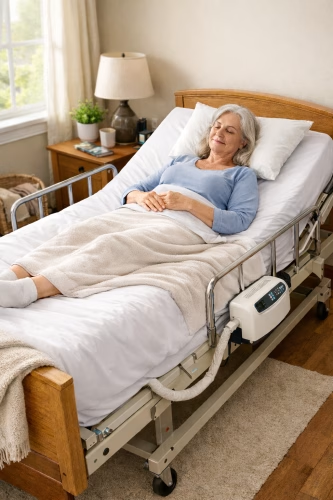
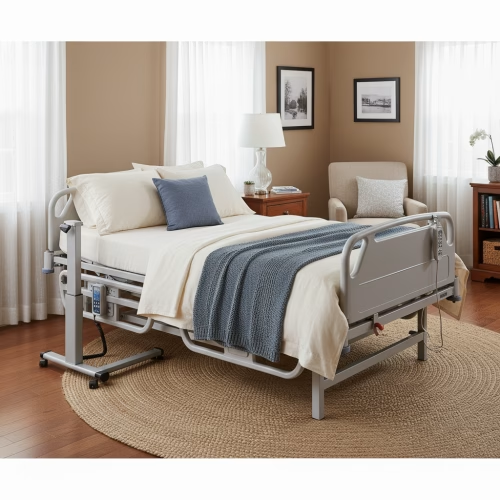
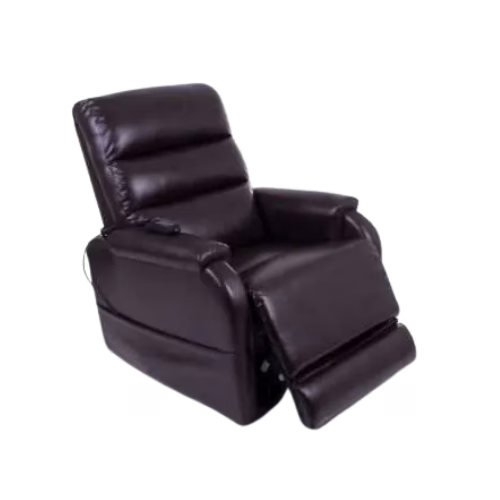
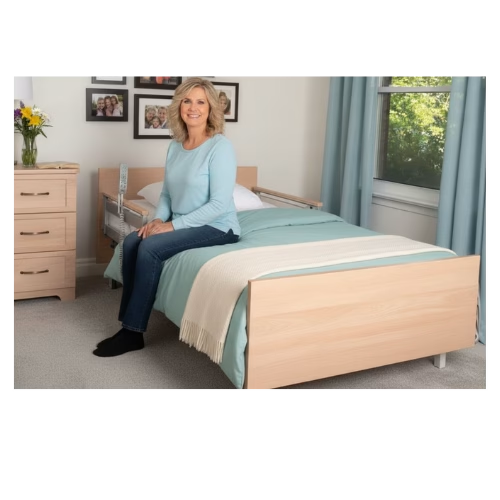
Comfortable and supportive seating is vital for people with MS. Recliner chairs, specialist cushions, and adjustable beds help reduce fatigue and pressure on muscles and joints.
Home adaptations, like stairlifts or ramps, can make the home environment safer and more accessible, especially if mobility fluctuates day to day.
VAT Relief for Mobility Equipment
It’s important to note that any mobility equipment hired for someone with MS is exempt from VAT. This means you can hire aids such as wheelchairs, walkers, or bathroom equipment without paying the usual tax, making essential support more affordable.
This exemption applies specifically when the equipment is intended for personal use by someone with MS. Always check with suppliers to confirm VAT relief eligibility.
Finding the Right Equipment
Selecting the right mobility equipment can feel overwhelming, but you don’t have to do it alone. Working with a reputable supplier ensures you receive guidance on what best suits your needs. They can provide demonstrations, advice, and sometimes even trial periods for equipment.
Investing in the right aids can improve safety, comfort, and independence, helping you or your loved one live more confidently with MS.
Finding the Right Support for Daily Life
Choosing the right mobility equipment can help make everyday tasks easier and safer for anyone living with Multiple Sclerosis. From walkers and wheelchairs to bathroom aids, the right support can improve independence and confidence. To see the full range of products we offer, visit our product page and find the solutions that suit your needs.
Mobility equipment for spinal cord injury can make everyday life easier, safer, and more comfortable. From wheelchairs and powerchairs to bathroom aids and hoists, the right support helps restore independence and peace of mind. In this guide, we’ll look at the most common types of mobility aids, share tips for choosing the right equipment, and explain how VAT relief works when you hire.
Wheelchairs and Powerchairs for Spinal Injury
Wheelchairs are often the first piece of equipment people think about. A manual wheelchair is ideal if you have the strength and want to stay active, while a powerchair offers electric controls for effortless movement. Both options can be customised with cushions and seating systems to improve posture and comfort.
Comfort and Pressure Care Equipment
Staying comfortable and protecting your skin is really important. Special cushions, seating systems, and pressure-relief mattresses help prevent sores and keep you supported throughout the day and night.
Transfer Aids for Severe Mobility Loss
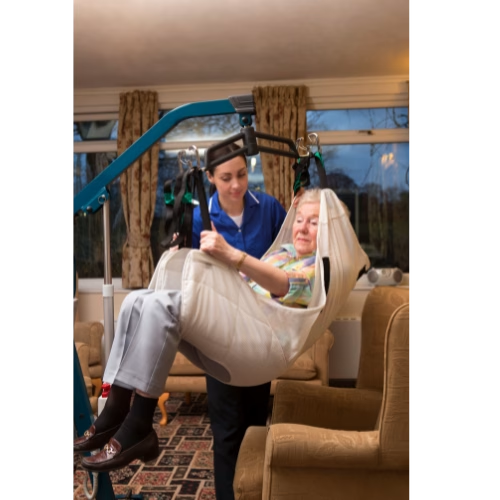
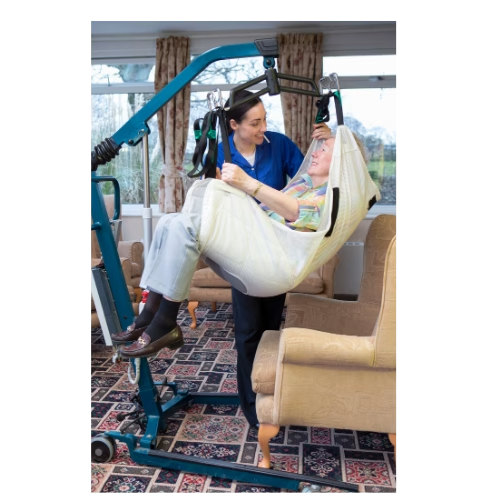
Moving safely from bed to chair or into the bathroom is made easier with the right tools. Hoists (ceiling or mobile) support safe lifting, while transfer boards and slide sheets are handy for shorter moves. In some cases, standing frames are used for therapy and health benefits.
Bathroom Aids for Spinal Cord Injury
Bathrooms can feel like a challenge, but the right aids make them much more accessible. Shower chairs, bath lifts, commodes, toilet frames, and grab rails all provide extra safety and independence.
Home and Vehicle Adaptations for Independence
Simple changes around the home can make a huge difference. Ramps, riser-recline chairs, stairlifts, and widened doorways improve access and mobility indoors. For travel, vehicle adaptations such as hand controls and swivel seats keep you moving. Even small gadgets like adapted cutlery or smart home devices can help with daily independence.
Hiring Mobility Equipment and VAT Relief
Did you know that if you hire mobility equipment designed for disabled people, you often don’t have to pay VAT? This means wheelchairs, hoists, commodes, and other specialist aids can usually be hired without the extra cost.
The process is very straightforward. We will just ask you to sign a short form confirming who the equipment is for, and that’s it. It’s a quick step that helps keep essential equipment more affordable. So, whether you’re buying or hiring, it’s always worth checking about VAT relief.
Helpful Tips for Choosing Mobility Aids
Finding the right equipment can feel like a big task, but a few simple steps can make the process much easier. Here are some helpful things to keep in mind when you’re choosing mobility aids:
Get a professional assessment. An occupational therapist or wheelchair service can guide you toward equipment that’s suited to your individual needs.
Ask about VAT relief. Many items designed for disabled people can be bought or hired without VAT, so don’t be afraid to check with your supplier.
Think long-term. Look into servicing, spare parts, and how easily equipment can be adjusted as your needs change.
Consider your lifestyle. If you love being outdoors, a sturdy wheelchair or scooter might be important. For comfort at home, cushions and pressure-relief mattresses may take priority.
Try before you buy (if possible). Some suppliers offer demonstrations or short hire periods, giving you the chance to see how the equipment works for you.
Where to Find Spinal Injury Support
For extra advice and community support, charities like the Spinal Injuries Association (SIA) are an excellent place to start. They provide resources, peer support, and practical guidance for people living with spinal cord injuries.
We’re Here to Help with Mobility Equipment
Whether you’re looking to buy or hire, we’re always happy to guide you through the options. The right equipment can bring independence, comfort, and confidence, and we’d love to help you find the best fit. To explore what’s available, check out our product page.
“Can We Still Go?” Yes. Meet the Dyno All Terrain Adaptive Buggy
Family life is built on moments. The Saturday morning park run. The seaside day trip. The woodland walk with muddy boots and hot chocolate at the end. For most families, these adventures are a given. But for parents of a child with hypotonia, the reality can feel very different and the question of how to bring their child along for the ride is one they face every single time they step out the door.
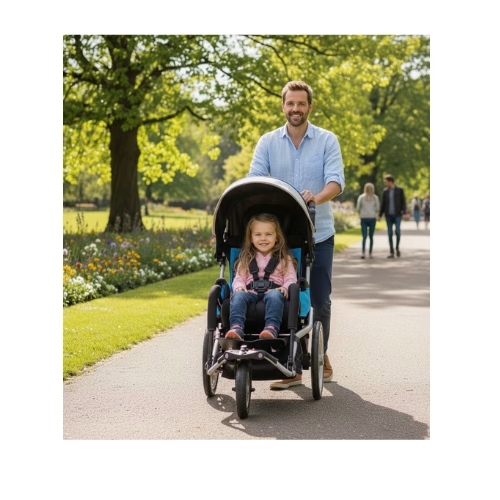
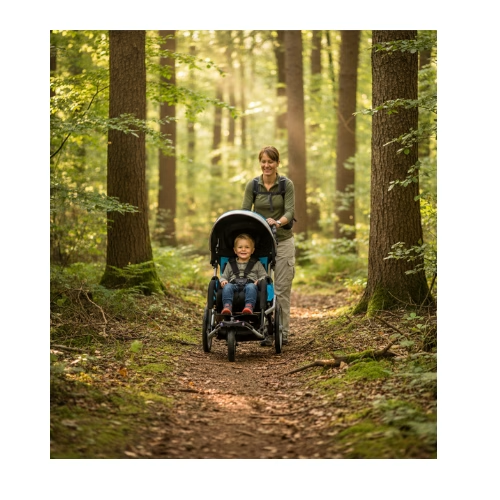
That’s exactly why we are so excited to introduce the Dyno All Terrain Adaptive Buggy, now available to hire. it is a specialist adaptive stroller designed to give children with low muscle tone the postural support they need, while giving their families the freedom to go anywhere.
What Is Hypotonia? Understanding Low Muscle Tone in Children
Hypotonia, commonly referred to as low muscle tone is a condition in which the muscles have reduced tension and resistance to movement. It is not a diagnosis in itself but rather a clinical finding that can be associated with a wide range of underlying conditions, including Down Syndrome, Prader-Willi Syndrome, Spinal Muscular Atrophy (SMA), Cerebral Palsy, and many cases of global developmental delay.
In young children, hypotonia often presents as:
Floppy limbs and reduced resistance when lifted
Poor head and neck control, particularly in infancy
Difficulty sitting upright without support for extended periods of time
Delayed motor milestones such as sitting, standing, or walking
Fatigue during physical activity due to the additional effort required to maintain posture
Feeding and speech difficulties in some cases
For parents, receiving a hypotonia diagnosis for their child or even a referral while awaiting a formal diagnosis can be overwhelming. The day-to-day realities of caring for a child with low muscle tone go far beyond the clinical setting. And one of the most common challenges? Simply getting out and about as a family.
The Hidden Challenge: Why Outings Can Be So Difficult for Children with Low Muscle Tone
A child with hypotonia may look just like any other child. But the effort required to stay upright even in an ordinary pushchair can be exhausting. Standard buggies offer little to no postural support. For a child with low muscle tone, a trip to the park can quickly result in slumping, discomfort, and fatigue long before the fun has really begun.
As children grow heavier, the problem gets worse. Many families find that standard pushchairs are no longer safe or suitable. But the move to specialist adaptive equipment can feel like a huge step. The options can seem clinical, complex, or simply hard to access.
This is the gap we want to help close. Every child deserves to feel the wind on their face on a morning jog. Every child deserves to explore a forest trail or beach. And every family deserves to do those things together.
Introducing the Dyno All Terrain Adaptive Buggy – Now Available to Hire
The Dyno All Terrain Adaptive Buggy is a three-wheeled, folding adaptive stroller. It is built specifically for children who need postural support. It is also built for active families who refuse to let a diagnosis define their adventures.
Designed by Leggero, the Dyno combines a robust all-terrain frame with a highly customisable therapeutic seating system. It is suitable for children with mild to significant postural support needs, including many children living with hypotonia. And crucially, it doesn’t look or feel clinical. It looks like a buggy. A brilliant, adventure-ready, go-anywhere buggy.
We are proud to offer the Dyno Adaptive Buggy for hire. This makes specialist equipment accessible to more families, more easily.
Key Features of the Dyno All Terrain Adaptive Buggy for Children with Hypotonia
Postural Support Seating System for Children with Low Muscle Tone
The Dyno features the RESPOND® Contoured Seating System. It is a fully adjustable, body-shaped seat designed to cradle and support a child’s trunk, pelvis, and hips. For children with low muscle tone who struggle to sit upright, this system provides the external support their muscles cannot yet reliably offer on their own.
Adjustable settings include seat depth, back length, leg length, chest width, and hip angle. This ensures the buggy can be precisely fitted to your child’s individual needs. This level of customisation is rarely found in mainstream pushchairs. It is one of the key reasons the Dyno All Terrain Adaptive Buggy stands apart.
The ACTIVATOR™ Dynamic Seating System, Supporting Therapeutic Movement
One of the most remarkable features of the Dyno Adaptive Buggy is the ACTIVATOR™ Dynamic Seating component. It is a system unique to Leggero. It allows the seat back to gently flex and extend with the child’s movement, rather than holding them completely rigid.
This is particularly significant for children with hypotonia. The ACTIVATOR™ system allows natural movement while maintaining correct pelvic positioning. It does not force a child into a fixed, static position. This has several therapeutic benefits:
It encourages active engagement with the surrounding environment
It promotes strengthening of the upper and lower extremities through movement
It allows children with fluctuating tone to move freely without losing postural support
It uses pivot points based on paediatric anatomical data, making it genuinely designed for children’s bodies
For a child with low muscle tone, this dynamic approach can support physical development. This is especially valuable during the crucial early intervention years.
All-Terrain Capability Built for Real Family Life
The Dyno All Terrain Adaptive Buggy is not designed for smooth shopping centre floors alone. It is built for real life. The three-wheeled frame features a built-in suspension system that absorbs bumps and uneven ground. Pneumatic 16″ rear wheels and a swivelling 10″ front wheel handle grass, gravel, woodland paths, cobblestones, and beaches with ease.
For families of children with hypotonia who have felt limited in where they can go, this represents a genuine change. The Dyno Adaptive Buggy opens doors, quite literally.
Head Support for Children with Low Muscle Tone
Reduced head and neck control is one of the most common challenges for children with hypotonia. It is something many parents worry about deeply when heading out. Our Dyno All Terrain Adaptive Buggy hire comes fitted as standard with the Comfort Plus Headrest. It is a single-pad headrest designed to provide comfortable, supportive resting for the back of the head during outings.
The Comfort Plus is a practical and unobtrusive solution. It is ideal for children who need gentle head support rather than complex lateral positioning. It cradles the head softly during transport. This helps reduce the fatigue that comes from struggling to hold the head upright over extended periods. It also provides a secure resting position during transit, which is particularly valuable when the buggy is used on public transport or in vehicles.
For families hiring the Dyno Adaptive Buggy for day trips, holidays, or regular outings, the Comfort Plus Headrest offers reassuring everyday support. Your child stays comfortable and safe, free to enjoy the adventure.
One-Step Fold and Compact Storage for Busy Families on the Go
We know that families with children with additional needs are often managing a great deal. The Dyno All Terrain Adaptive Buggy folds in one simple step. It collapses into a compact form that is easy to load into a car, store in a hallway, or take on public transport. It has also been tested to BS ISO 7176-19. This is the international standard for wheeled mobility devices used as seats in vehicles. It means the buggy can be used safely on buses and other public transport where required.
Who Is the Dyno All Terrain Adaptive Buggy Suitable For?
The Dyno Adaptive All Terrain Buggy is designed for children up to 36kg (approximately 5st 7lbs) with a wide range of postural support needs. It is suitable for children whose hypotonia is associated with conditions including:
Down Syndrome
Prader-Willi Syndrome
Global Developmental Delay
Spinal Muscular Atrophy (SMA)
Cerebral Palsy with hypotonic presentation
Undiagnosed or pending diagnosis with low muscle tone
Why Hire the Dyno Adaptive Buggy?
Specialist adaptive equipment represents a significant financial investment, and needs change as children grow, develop, or receive updated diagnoses. Hiring the Dyno All Terrain Adaptive Buggy allows families to:
Access premium adaptive equipment without the full upfront cost
Trial the buggy before committing to a purchase
Adapt as their child’s needs change hiring offers flexibility that buying outright does not
Use it for a specific trip, holiday, or period of need without a long-term financial commitment
Whether you are planning a family holiday, an outdoor event, or simply need a reliable adaptive buggy, hiring the Dyno gives your family the freedom to move without missing out.
Reclaiming Family Adventures One Outing at a Time
A diagnosis of hypotonia, whatever the underlying cause, does not mean your child’s story is limited. It does not mean Sunday walks are off the table, or that your family has to sit out the adventures that other families take for granted.
The Dyno All Terrain Adaptive Buggy was built on exactly this belief, that children with postural support needs deserve to be out there, in the world, taking in the same sights, sounds, and experiences as every other child. That parents deserve to feel confident and free when they head out the door.
Low muscle tone may affect how your child moves through the world. But with the right support, it doesn’t have to define where they go.
World Parkinson’s Day takes place on Saturday 11th April 2026. It is a time to raise awareness of Parkinson’s, support people living with the condition, and recognise the many different ways it can affect daily life. More information can be found on the Parkinson’s website.
What Is World Parkinson’s Day?
World Parkinson’s Day helps shine a light on Parkinson’s and the people it affects. It also gives friends, families, carers, health professionals, and communities a chance to learn more. Parkinson’s is a condition that can affect movement, balance, and everyday routines. Parkinson’s UK notes that there are over 40 symptoms, and that everyone’s experience is different.
That is why awareness matters. The more people understand about Parkinson’s, the better they can offer support, patience, and practical help. It also encourages open conversations about what life with Parkinson’s can look like, both at home and in the community.
Parkinson’s Symptoms and Daily Life
Parkinson’s can affect people in different ways. However, some of the main motor symptoms include tremor, stiffness, and slowness of movement. These symptoms can make everyday tasks more tiring and can change how a person moves around the home or gets out and about.
Because of this, daily routines may need to change over time. Simple tasks such as standing up, turning in bed, walking across a room, or moving between rooms can become harder. Small changes can make a big difference, especially when they help people feel safer and more confident.
How Mobility Equipment Can Support Parkinson’s
Mobility equipment and daily living aids can play an important role in supporting independence. Parkinson’s UK explains that there is a wide range of equipment, living aids, and technology that can make daily life a little easier. This can include items that help with getting around, moving safely at home, and carrying out everyday tasks.
For example, grab rails, walking aids, wheelchairs, bed support equipment, and other home adaptations may help people feel more secure in familiar spaces. In addition, the right equipment can reduce strain for both the person living with Parkinson’s and the people supporting them.
The important thing is that support should feel personal. There is no single solution that suits everyone, because Parkinson’s affects each person differently. That is why practical, thoughtful equipment choices matter so much.
Choosing the Right Parkinson’s Equipment
When looking at mobility equipment, it is wise to get the right advice first. Parkinson’s UK recommends speaking to an occupational therapist, physiotherapist, speech and language therapist, or Parkinson’s nurse before buying equipment. It also advises trying items where possible, so you can choose something that suits the person and their needs.
This approach matters because good equipment should make life easier, not harder. It should fit into daily routines, support movement, and help people stay as independent as possible for as long as possible. As a result, the focus is not only on the item itself, but on how well it works in real life.
Supporting Your Journey with Mobility Equipment
At Mobility Hire, we understand that the need for mobility support can come at different stages of a Parkinson’s journey. It may be needed after a diagnosis. It can also become necessary as symptoms change. Some people need support for a short period, while others require longer-term assistance.
That is why we aim to help in a practical way. We focus on equipment that can help make everyday life feel more manageable, more comfortable, and more dignified. We know that people do not just need products. They need reassurance, flexibility, and support that feels human.
Whether someone is looking for help at home, support with movement, or equipment that makes daily routines easier, the right choice can bring peace of mind. It can also help families and carers feel more confident too.
If you would like to explore options further, you can contact us to start your hire journey and we will be happy to guide you through the next steps.
World Parkinson’s Day 2026: A Time to Learn and Act
World Parkinson’s Day is a good moment to pause, learn, and show support. It reminds us that Parkinson’s is not just about symptoms. It is about people, routines, relationships, and quality of life.
This year, let us use 11 April 2026 to listen, learn, and raise awareness. Let us also remember that practical support matters. Small changes, clear information, and the right mobility equipment can help people keep doing more of what matters to them.
How Mobility Aids Can Improve Daily Life for People with Arthritis
Living with arthritis can make everyday tasks painful and exhausting, but the right equipment can ease joint strain, cut down fatigue and help you stay independent. From mobility and walking aids to bathroom aids for arthritis, this guide walks through practical options that make daily life simpler. Whether you need wheelchairs, pressure relieving cushions or other helpful mobility solutions for arthritis, you’ll find clear, friendly advice on what each option does and how it could help you or a loved one.
Arthritis and Everyday Mobility Challenges
Arthritis is inflammation of one or more joints that can cause pain, stiffness and reduced movement. Two common forms are rheumatoid arthritis, an autoimmune condition that causes painful joint inflammation, and osteoarthritis, a wear-and-tear condition where joint cartilage gradually breaks down. Rheumatoid arthritis is one of the most common inflammatory types and can affect movement, cause fatigue and lead to flare-ups of varying intensity. Osteoarthritis is the most common degenerative type and typically causes pain and stiffness that worsen with activity and over time.
For more information and support with Arthritis you can visit the Arthritis UK website.
Why mobility equipment helps people with arthritis
Reduce pain and joint strain during movement
Decrease fatigue by making tasks less energy-consuming
Improve balance and stability to prevent falls
Maintain independence at home and when out and about
Help prevent secondary injuries from slips or poor transfers
Match equipment to daily tasks
Rather than thinking “I need a mobility product”, it helps to break needs into tasks and match equipment to those tasks. Below are practical categories with product types and short guidance.
Home and kitchen – equipment to make daily living easier
Suggested products: height-adjustable chairs, lightweight trolleys, ergonomic cutlery, jar openers, non-slip mats, long-handled reachers. Why they help: Reduce bending and gripping strain, allow safe food prep and carrying items without overloading painful joints.
Bathing and personal care – safer toileting and bathing
Suggested products: bath lifts, shower chairs, grab rails, raised toilet seats, transfer benches. Why they help: Reduce slips, make transfers safer and reduce joint twist/strain during bathing. Take a look at our range of bathroom aids.
Dressing and grooming – keep independence with less pain
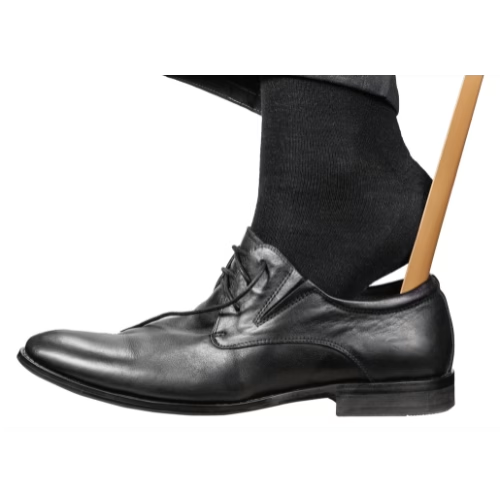
Suggested products: dressing sticks, long-handled shoehorns, button hooks and sock aids. Why they help: Minimise bending and repetitive joint movement, so dressing takes less time and effort.
Seating and transfers – Increased comfort
Suggested products: riser-recline chairs (single motor and dual motor), lift chairs, standing-assist chairs, mobile patient hoists, ceiling hoists, compatible slings and transfer belts. Why they help: Make transfers safer, improve seated comfort and reduce strain when standing up. Take a look at our range of Rise and Recline Chairs and Hoists.
Walking and mobility – choosing the right walking aid
Canes and walking sticks – for light balance support and to reduce load on one side of the body. Best for: Mild instability, short distances.
Walkers and rollators – offer higher support and often include a seat for rests. Best for: People who need stability and brief rest breaks while moving about.
Take a look at our range of Walking aids.
Wheelchairs (manual and powered) – for those who find walking painful or unsafe for longer distances. Best for: Extended mobility needs, outings, or when energy conservation is essential.
Take a look at our range of Manual and Powered Wheelchairs.
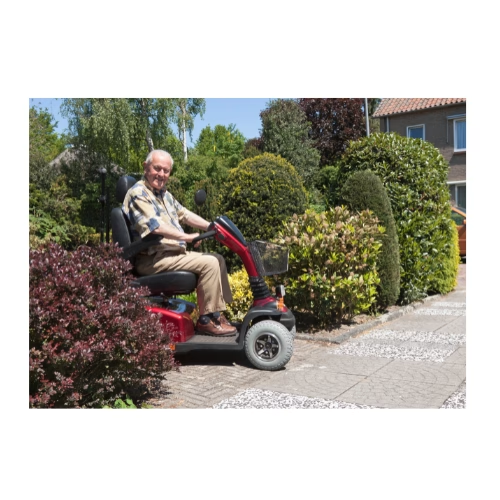
Mobility scooters – for outdoor or community mobility where distances are longer. Best for: Independent travel to shops or appointments when walking long distances is difficult. Take a look at our range of Mobility scooters.
At-home and environmental modifications – changes that make a house easier to use
At-home and environmental modifications make daily life safer and less painful by adapting the home to suit changing mobility needs. Installing ramps reduces risky stair navigation, hoists and grab rails make transfers into beds and baths more secure, widened doorways improve wheelchair access, and pressure-relieving mattresses and cushions help reduce joint pain from prolonged sitting or lying. These changes lower joint stress, cut the risk of falls, and support independent living, and many items such as adjustable beds and pressure-relieving mattresses are available to hire for short- or long-term needs.
Pressure-relief and posture – why cushions and beds matter
Arthritis can cause uncomfortable pressure points and poor posture. Pressure-relieving cushions, specialist mattresses and adjustable beds help redistribute pressure, reduce pain on sore joints and support better posture making them useful both for sleeping and prolonged sitting.
Take a look at our range of Pressure relieving Cushions and Mattresses.
Practical reasons people choose equipment hire vs buy
Short-term need (post-surgery or flare-ups) – hiring avoids the often large upfront cost.
Trying before buying – hire lets someone test a device to make sure it suits their needs.
Temporary home stays (e.g., family member staying over) – hire equipment for short periods.
Seasonal or situational use – equipment may only be needed occasionally.
VAT relief made simple
If you’re buying or hiring mobility equipment for someone with arthritis or another long-term condition, you may be able to get it without paying VAT. This includes lots of everyday items like wheelchairs, mobility scooters, specialist beds and even pressure-relieving mattresses. The process is really simple, we will provide a short self-declaration form (no medical proof or prescription needed) and then the VAT is removed at checkout. If you’re not sure whether something qualifies, you can always ask us to guide you through it. It’s a quick way to make essential equipment more affordable and easier to access when you need it.
How we can help
We provide fast delivery, professional set-up and flexible hire terms to suit short-term recovery or longer-term needs. Our engineers will deliver, set up and show you how to use the equipment so you and your carers feel confident using it before they leave.
Living with Parkinson’s can make movement slower, unsteady, or tiring. That’s why the right mobility aids for Parkinson’s matter. They can help with safety, comfort, and independence. In this guide we’ll explain common types of equipment — from walkers and wheelchairs to bathroom aids and hoists, in simple, practical terms. For further guidance and trusted advice, the Parkinson’s UK website is a great place to start.
Why mobility equipment helps with Parkinson’s
Parkinson’s affects people in different ways. For example, stiffness, balance changes and slower movement can make walking harder. Therefore, simple tools can reduce falls and make daily tasks easier. Also, using the right aid can mean less strain for carers and more confidence for the person using it.
Walking aids: sticks, frames and rollators
First, consider basic walking aids. A stick or cane can help with a little extra balance. Next, a walking frame gives more support and stability. Meanwhile, rollators (walkers with wheels and a seat) are great if you need a place to rest while moving. Importantly, an occupational therapist can advise which one suits you best.
Manual wheelchairs and attendant-propelled chairs
If walking is difficult or tiring, a manual wheelchair might help. They come in lightweight and robust designs. Also, attendant-propelled options let a carer push when needed. These chairs improve mobility indoors and out, and they can be compact for transport.
Powerchairs and mobility scooters
For longer distances or reduced stamina, powerchairs and mobility scooters are a common solution. They allow independent movement without pushing. However, choose carefully: think about turning space, home door widths, and transport needs. Also, try before you buy or hire.
Hoists, transfer aids and stair solutions
Where transfers are challenging, hoists and slings provide safer movement between bed, chair and bath. Stairlifts or through-floor lifts may be right for houses with multiple floors. These adaptations often require a professional assessment and installation.
Bathroom and toileting aids
Bathrooms can be risky places. Therefore, look at grab rails, raised toilet seats, shower chairs and bath or shower transfer benches. In addition, removable bath lifts and non-slip mats help keep things safe. Small changes here often have a big impact on independence.
Seating, beds and bedroom aids
Comfortable seating that supports posture helps with daily tasks and getting up safely. Rise-and-recline chairs, adjustable beds and pressure-relief mattresses can all be useful. Also, bedside rails and transfer poles help with moving in and out of bed.
Hiring equipment: what to expect and VAT relief
Hiring mobility equipment can be a simple and flexible option, especially if you only need it for a short time or want to try something out before buying. The good news is that if the equipment is for someone with Parkinson’s, you usually won’t need to pay VAT on the hire. This is because many mobility products are classed as essential aids for daily living. We can guide you through the quick paperwork, so the process stays stress-free. It’s always worth asking about VAT relief before you place an order, as it can make hiring even more affordable.
Choosing the right equipment: practical tips
Finding the best mobility aids for Parkinson’s can feel like a big decision, but breaking it down into simple steps can really help. Here are a few things to keep in mind:
Get professional advice. An occupational therapist or physiotherapist can recommend the safest options for your needs.
Try before you decide. Hiring equipment first is a great way to see what works best in daily life.
Think about your home layout. Measure doorways, hallways and even the car boot if you’ll be taking equipment out and about.
Check aftercare and fitting. Good installation and reliable servicing can make a huge difference.
Ask about VAT relief. It’s always worth checking before you pay, as it could save you money.
Final thoughts – we’re here to help
Choosing equipment is a personal process. Above all, safety and comfort matter most. If you’d like, we can help you: we hire and supply a wide range of walkers, wheelchairs, powerchairs, bathroom aids and hoists. In addition, we can explain eligibility for VAT relief and guide you through the paperwork.
If you’d like more help choosing the right mobility aids for Parkinson’s, please get in touch with us, we’re always happy to offer advice. You can also explore our full range of products available to hire on our product page.
What Is SMA? A Simple Guide to Spinal Muscular Atrophy
With increased media coverage and awareness campaigns, more families are asking what is SMA, how common is SMA, what causes SMA, and how it affects babies, children, and adults. Spinal muscular atrophy, often shortened to SMA, is a genetic condition that affects muscle strength and movement. It is sometimes referred to as SMA disease or an SMA condition, and while it is rare, it can have a significant impact on daily life. Understanding the different SMA type classifications, including type 1 SMA, as well as SMA life expectancy, SMA treatment, and can help families feel more informed and supported.
This guide explains SMA in clear, simple terms. It is designed to support families, carers, and anyone wanting to learn more about SMA in babies, children, and adults.
What Is SMA?
So, what is SMA exactly? Spinal muscular atrophy is a genetic condition that affects the nerves that control muscle movement. These nerves, called motor neurons, are found in the spinal cord. In people with SMA, these motor neurons do not work properly and gradually stop sending signals to the muscles.
As a result, muscles become weak and may shrink over time. This muscle weakness can affect movement, posture, breathing, and swallowing. However, it is important to understand that SMA does not affect intelligence or learning ability.
SMA is present from birth, even if symptoms do not appear straight away. The severity of the condition depends on the SMA type a person has.
What Causes SMA?
Many people ask, what causes SMA? SMA is caused by a change in a gene called SMN1. This gene is responsible for producing a protein that keeps motor neurons healthy. Without enough of this protein, motor neurons cannot survive.
SMA is inherited in an autosomal recessive way. This means:
A child must inherit one changed gene from each parent
Parents are often unaware they are carriers
Carriers do not usually show any symptoms
Because of this, SMA can affect families with no previous history of the condition.
How Common Is SMA?
Another common question is how common is SMA. SMA is considered a rare condition, but it is one of the most common genetic causes of infant mortality.
In the UK:
Around 1 in 10,000 babies are born with SMA
Around 1 in 40 people are carriers of the SMA gene
While SMA is rare, increased awareness and improved testing mean it is being identified earlier than ever before.
Understanding the Different SMA Types
There are several SMA type classifications. These are based on when symptoms appear and how severe they are. Although each type is different, there is a wide range of experiences within each group.
Type 1 SMA
Type 1 SMA, also known as Werdnig Hoffmann disease, is the most severe and most common form of SMA.
Symptoms usually appear within the first six months of life
Babies may have weak muscle tone, often described as floppy
Feeding and breathing difficulties are common
Babies with SMA may struggle to lift their head or sit unsupported
Thanks to advances in SMA treatment, outcomes for babies with type 1 SMA have improved significantly in recent years.
Type 2 SMA
Type 2 SMA usually appears between 6 and 18 months of age
Children can often sit independently
Standing and walking are usually not possible without support
Muscle weakness progresses slowly over time
Many children with type 2 SMA live into adulthood with the right medical care and support
Type 3 SMA
Type 3 SMA typically appears in later childhood or adolescence.
Individuals may walk independently at first
Muscle weakness can increase over time
Some people may need mobility support later in life
Life expectancy is often near normal for people with type 3 SMA
Type 4 SMA
Type 4 SMA is the mildest form and usually appears in adulthood.
Muscle weakness develops gradually
Walking is often possible for many years
Progression is slow
SMA in Babies and Early Signs
SMA in babies can sometimes be difficult to spot at first.
However, early signs may include:
Reduced movement of arms and legs
Difficulty feeding or swallowing
Weak cry
Shallow breathing
Poor head control
Early diagnosis is important because starting treatment as soon as possible can significantly improve outcomes.
SMA testing and newborn screening
Early diagnosis can make a real difference because treatments work best when started early. For that reason, many clinicians and charities support newborn screening for SMA. However, SMA is not yet part of the NHS newborn blood-spot (heel prick) screening programme in England.
Until any national screening is introduced, doctors diagnose SMA using genetic tests when symptoms or a family history suggest the condition. We know this can feel worrying for families, so for the most up-to-date information please check the guidance from SMA UK and the NHS.
SMA Treatment and Ongoing Care
There is currently no cure for SMA. However, SMA treatment has advanced rapidly in recent years.
Available treatments aim to:
Increase production of the missing SMN protein
Slow the progression of muscle weakness
Improve quality of life
Alongside medical treatments, ongoing care often includes:
Physiotherapy
Respiratory support
Nutritional support
Specialist equipment
Each care plan is tailored to the individual, based on their SMA type and needs.
SMA Life Expectancy
Many families understandably worry about SMA life expectancy. This can vary greatly depending on the type of SMA and access to treatment.
Babies with type 1 SMA are now living longer and healthier lives due to early treatment
Children and adults with type 2 and type 3 SMA often live well into adulthood
Advances in care continue to improve outcomes across all SMA types
While SMA remains a serious condition, the outlook today is very different from what it was even a decade ago.
Living With an SMA Condition
Living with an SMA condition involves adapting to changing needs over time. However, with the right support, many people with SMA lead full and active lives.
Support may include:
Specialist healthcare teams
Educational support
Community and peer support
Access to appropriate equipment
Charities and support organisations play a vital role in helping families navigate life with SMA.
For trusted information and support, visit SMA UK, the leading UK charity dedicated to supporting people affected by SMA.
Mobility, Independence and Everyday Support
As SMA affects muscle strength, mobility support often becomes an important part of daily life. Equipment such as powered wheelchairs, specialist seating, hoists, and adjustable beds can help improve comfort, independence, and safety.
Needs can change over time, especially for children who are growing or during periods of recovery or adjustment. For some families, short term access to equipment can be helpful while waiting for assessments, funding, or permanent solutions.
At Mobility Hire, we understand that every situation is different. Hiring mobility equipment can offer flexibility and peace of mind, without long term commitment. Our focus is always on supporting comfort, independence, and dignity in a way that feels right for each individual and family.
Why Awareness of SMA Matters
Increased media coverage has helped shine a light on SMA. As a result, more people are learning what is SMA, how it is diagnosed, and how treatment has progressed.
Greater awareness helps to:
Encourage early testing
Improve understanding of rare conditions
Reduce isolation for families
Support continued research and funding
By sharing clear and accurate information, we can help ensure that families affected by SMA feel informed, supported, and understood.
Final Thoughts
Spinal muscular atrophy may be rare, but its impact is significant. Understanding the different SMA type classifications, recognising SMA in babies, and knowing what support is available can make a real difference.
If you or someone you care for has been affected by SMA, you are not alone. Support, information, and practical help are available, and ongoing research continues to improve outcomes for people living with SMA.
Practical mobility equipment for people living with or recovering from cancer
Cancer treatment and recovery can leave people feeling tired, unsteady or sore — and that’s where the right mobility equipment helps. Small changes such as a specialist hospital bed, a shower chair or a comfortable rise & recline chair can restore confidence, reduce reliance on carers and make day-to-day life easier. This guide outlines helpful mobility equipment choices and explains why hiring from us is the smart, stress-free option.
Hospital bed for cancer patient: bringing safe rest and care home
A specialist hospital bed at home can make a big difference during recovery. Adjustable height, tilting and easy-to-use controls help with transfers, wound care and sleeping in comfortable positions. These beds reduce strain on carers and allow family members to support recovery safely. Explore our different hospital bed options.
Wheelchairs for cancer recovery: manual and electric wheelchairs for comfort
Wheelchairs let people conserve energy and move around with dignity. Manual wheelchairs are often lightweight and easy to fold for short trips, while electric wheelchairs (powerchairs) give longer-range independence and reduce fatigue. When choosing, consider seat width, cushion support and ease of transfers.
Mobility scooter for cancer survivors: go further, comfortably
If visiting friends, getting to appointments or shopping is important, a mobility scooter can extend how far someone can go without tiring. Look at range, portability, and whether the scooter fits transport and storage needs.
To compare range, portability and features, check out our mobility scooters collection.
Walking aids after cancer: rollators, walkers and walking sticks for safety
For shorter distances and improving balance, walking aids are invaluable. Rollators (walkers with wheels and a seat) are popular because they combine stability with the option to rest. An occupational therapist can help choose the right height and style.
Find the right walker for balance and comfort on our walking aids page.
Shower chair for cancer patient & commodes: safe, dignified bathing and toileting
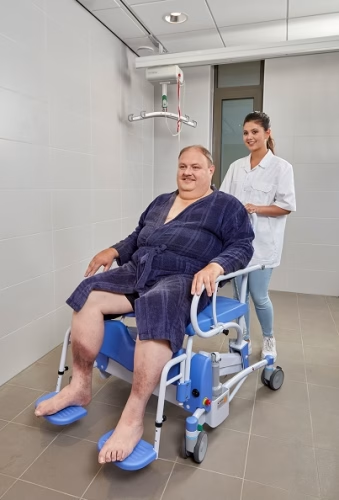
Bathrooms can be high-risk areas. Shower chairs, commode chairs and combined shower-commodes allow safe, comfortable washing and toileting when standing is difficult. Many are height-adjustable, easy to clean, and designed to make carers’ tasks simpler.
For shower chairs, commodes and combined options, take a look at our shower chairs & commodes range.
Rise and recline chair for cancer patients: comfort that helps you stand
A rise & recline chair supports comfortable seating and gently lifts the user into a standing position. These chairs protect pressure points, reduce strain on hips and knees, and help people sit and stand with more independence.
Small home changes that work with mobility equipment
Tiny additions often make a big difference: grab rails, non-slip mats, a bedside commode, good lighting and clear pathways. These simple home adaptations complement larger equipment and reduce fall risk.
Hire vs buy mobility equipment: why hiring from us often makes sense
Choosing whether to hire or buy mobility equipment depends on needs, budget and how long you’ll use the item. Hiring from us is a flexible, low-risk option worth considering:
Short-term or changing needs: If recovery is temporary or needs are likely to change, hiring avoids paying for equipment you only need briefly.
Try before you commit: Hiring lets you test models (beds, scooters, chairs) to find the best fit before deciding to buy.
Maintenance and support included: With Mobility Hire, routine servicing and breakdown support are taken care of, so you don’t have to worry about repairs.
Lower upfront cost: Hiring keeps up-front costs down, which can be helpful while someone is concentrating on recovery.
Quick delivery and set-up: We can supply and set up items ready for use, so families can focus on comfort and care, not logistics.
Practical checklist: choosing the right mobility equipment
Get an assessment from an occupational therapist or physiotherapist if possible.
Prioritise safety: correct transfer height, brakes, stable frames and anti-tip features.
Match seat width and weight capacity to the user.
Consider portability if you need to transport equipment.
Think about cushions and pressure relief for long periods of sitting.
Where to find support and further information
For practical guidance and information in the UK, Macmillan Cancer Support has helpful resources on home adaptations and equipment.
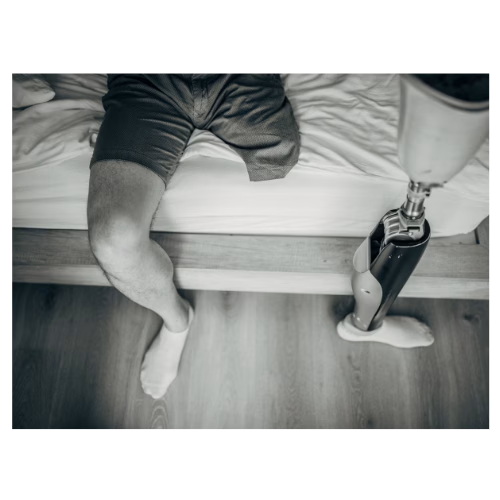
Adjusting to life after an amputation can feel overwhelming, but the right mobility equipment can make daily life easier, safer, and more comfortable. From walkers and wheelchairs to bathroom aids and hoists, these tools are here to support independence and confidence.
In this guide, we’ll explore the different types of equipment you might find useful, explain why they matter, and share some helpful information about VAT relief for hired items.
Why mobility equipment matters
Having the right support can make a big difference in everyday life. Mobility equipment helps you move around safely, perform daily activities, and enjoy more independence. Small changes, like a new walking aid or bathroom support, can have a big impact on your comfort and confidence.
Walkers, Rollators and Walking Sticks
Walking aids can be a big help when regaining confidence after an amputation. Walking sticks are light and easy to use, ideal for short distances or giving a little extra balance. Walking frames offer more stability and are especially helpful in the early stages while learning to use a prosthesis. Rollators have wheels and a built-in seat, so you can move safely and take a rest whenever needed.
These aids are often the first step toward getting back on your feet, and a therapist can help you choose the right type and ensure it fits comfortably.
Manual Wheelchairs
Manual wheelchairs are versatile and provide freedom when walking isn’t possible or is tiring. There are lightweight versions that are easy to push, as well as sturdier chairs for everyday use. Some people use them temporarily during recovery, while others find them helpful for long-term support. Wheelchairs allow you to move around independently and safely while you focus on rehabilitation.
Powerchairs and Mobility Scooters
For extra independence, powered options like electric wheelchairs (powerchairs) or mobility scooters can be a great choice. These make longer distances easier and reduce physical effort. Powerchairs are ideal for indoor and outdoor use, while mobility scooters work well for trips outside the home. Choosing the right model depends on your lifestyle, environment, and personal comfort.
Bathroom Aids and Home Support
Daily routines like washing or using the toilet can feel safer with the right support. Helpful options include:
Raised toilet seats and commodes to make sitting and standing easier.
Grab rails for stability.
Non-slip mats or flooring to reduce the risk of slips.
Bath lifts or shower chairs for comfort and safety.
These small changes can make everyday tasks much more manageable and give you extra confidence around the home.
Transfers, Hoists and Seating
Moving between rooms or getting in and out of chairs can sometimes be challenging. Equipment like transfer hoists, riser-recliner chairs, and supportive cushions can make these movements safer and smoother. They’re especially helpful if you need assistance from a carer, making daily routines less stressful for everyone.
Prosthetic Accessories
If you use a prosthesis, small accessories can improve comfort and functionality. Items such as liners, socks, and cushions help the prosthesis fit better and make wearing it more comfortable throughout the day. Your prosthetist can recommend the best options for your needs.
Buying or Hiring Equipment
Sometimes it makes sense to buy equipment you’ll use long-term, like a personalised wheelchair or specialist seating. Hiring is a great solution for short-term needs or while you try out different options.
Good news: if you hire qualifying equipment as an amputee, it may be exempt from VAT, making it more affordable. Suppliers can guide you through what’s eligible and how the rules apply.
Extra Support and Advice
If you’d like more guidance or want to connect with others, these organisations are helpful:
NHS resources – guidance on rehabilitation and equipment.
They provide friendly advice, trusted information, and communities where you can share experiences.
How We Can Help
We offer a wide range of mobility equipment for hire or purchase, from walkers and wheelchairs to bathroom aids and hoists. We can also explain VAT relief and help you choose what’s right for your situation.
Living with Cerebral Palsy can present a wide range of mobility challenges, but the right equipment can make a world of difference. Mobility aids are designed to promote independence, comfort, and safety, while also easing the daily tasks for carers. In this guide, we’ll look at the different types of mobility equipment available, from walkers and wheelchairs to hoists and beds, and how they can help improve quality of life.
Walkers and Walking Aids
Walkers and walking aids are often one of the first pieces of equipment people explore. They can provide vital support for children and adults who want to build strength and stability while moving around. Depending on the level of mobility, options include simple walking frames, rollators with wheels, and specialist gait trainers. These devices are designed to encourage independence, support posture, and help users stay active for longer.
Wheelchairs for Comfort and Freedom
Wheelchairs are one of the most common mobility solutions for individuals with Cerebral Palsy. They range from lightweight manual wheelchairs to advanced powered chairs with custom seating. Manual wheelchairs are great for short distances or for users who have upper body strength. Powered wheelchairs, on the other hand, can be life-changing for those who want greater independence both indoors and outdoors.
Specialist seating systems can also be fitted to wheelchairs to provide extra comfort and support, helping to reduce strain and improve posture. Choosing the right wheelchair is always a personal decision, but with so many options, there is something to suit every lifestyle.
Hoists and Transfer Equipment
For many families and carers, safe and comfortable transfers are essential. Hoists are designed to lift and move a person from one place to another, such as from a bed to a chair. They reduce the risk of injury for both the user and the carer. There are different types of hoists available, including ceiling-mounted systems, portable hoists, and stand-assist devices. Each option can make daily routines smoother, safer, and less physically demanding.
Specialist Beds and Mattresses
A good night’s sleep is vital for health and wellbeing. Specialist profiling beds and pressure-relieving mattresses are often recommended for people living with Cerebral Palsy. These beds allow users to adjust positions easily, which can reduce discomfort and support better posture. Pressure-relieving mattresses also help prevent pressure ulcers, ensuring greater comfort over long periods.
Hiring Equipment and VAT Exemption
Not everyone needs to buy mobility equipment outright. Hiring is a flexible and cost-effective option, especially if you only need equipment for a short period. When mobility equipment is hired for someone with Cerebral Palsy, it is exempt from VAT charges. This can make hiring an even more affordable solution for families and carers.
Finding the Right Support
Choosing the right mobility equipment can feel overwhelming, but you don’t need to make these decisions alone. Talking to healthcare professionals, occupational therapists, or mobility specialists can help you find the equipment that best meets your needs.
For additional advice, guidance, and support, you can also visit Scope, a leading charity dedicated to people living with Cerebral Palsy and other disabilities.
Final Thoughts
The right mobility equipment can open doors to independence, comfort, and new opportunities. Whether it’s walkers for daily movement, wheelchairs for freedom, or hoists for safe transfers, there are solutions designed to support every stage of life with Cerebral Palsy. By exploring your options and seeking expert advice, you can make sure you or your loved one has the right tools to thrive.
Keep in touch - subscribe to our mailing list
Read our Privacy Policy to find out how we use your personal details.
Used to monitor number of Google Analytics server requests when using Google Tag Manager
1 minute
__utmx
Used to determine whether a user is included in an A / B or Multivariate test.
18 months
__utma
ID used to identify users and sessions
2 years after last activity
__utmt
Used to monitor number of Google Analytics server requests
10 minutes
__utmz
Contains information about the traffic source or campaign that directed user to the website. The cookie is set when the GA.js javascript is loaded and updated when data is sent to the Google Anaytics server
6 months after last activity
_gac_
Contains information related to marketing campaigns of the user. These are shared with Google AdWords / Google Ads when the Google Ads and Google Analytics accounts are linked together.
90 days
_ga
ID used to identify users
2 years
_ga_
ID used to identify users
2 years
_gid
ID used to identify users for 24 hours after last activity
24 hours
__utmb
Used to distinguish new sessions and visits. This cookie is set when the GA.js javascript library is loaded and there is no existing __utmb cookie. The cookie is updated every time data is sent to the Google Analytics server.
30 minutes after last activity
__utmc
Used only with old Urchin versions of Google Analytics and not with GA.js. Was used to distinguish between new sessions and visits at the end of a session.
End of session (browser)
_gali
Used by Google Analytics to determine which links on a page are being clicked
30 seconds
__utmv
Contains custom information set by the web developer via the _setCustomVar method in Google Analytics. This cookie is updated every time new data is sent to the Google Analytics server.
2 years after last activity
SourceBuster is used by WooCommerce for order attribution based on user source.
Name
Description
Duration
sbjs_first
Traffic origin information for the visitor’s first visit to your store (only applicable if the visitor returns before the session expires)
session
sbjs_first_add
Timestamp, referring URL, and entry page for your visitor’s first visit to your store (only applicable if the visitor returns before the session expires)
session
sbjs_current
Traffic origin information for the visitor’s current visit to your store
session
sbjs_current_add
Timestamp, referring URL, and entry page for your visitor’s current visit to your store
session
sbjs_session
The number of page views in this session and the current page path
30 minutes
sbjs_udata
Information about the visitor’s user agent, such as IP, the browser, and the device type
session
sbjs_migrations
Technical data to help with migrations between different versions of the tracking feature