

Practical mobility equipment for people living with or recovering from cancer
Cancer treatment and recovery can leave people feeling tired, unsteady or sore — and that’s where the right mobility equipment helps. Small changes such as a specialist hospital bed, a shower chair or a comfortable rise & recline chair can restore confidence, reduce reliance on carers and make day-to-day life easier. This guide outlines helpful mobility equipment choices and explains why hiring from us is the smart, stress-free option.
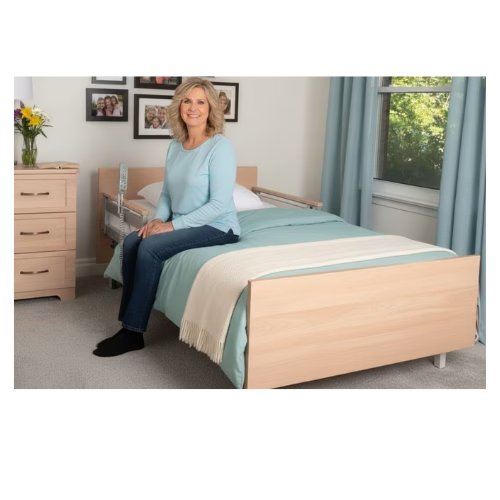
Hospital bed for cancer patient: bringing safe rest and care homeA specialist hospital bed at home can make a big difference during recovery. Adjustable height, tilting and easy-to-use controls help with transfers, wound care and sleeping in comfortable positions. These beds reduce strain on carers and allow family members to support recovery safely. Explore our different hospital bed options. |
 |
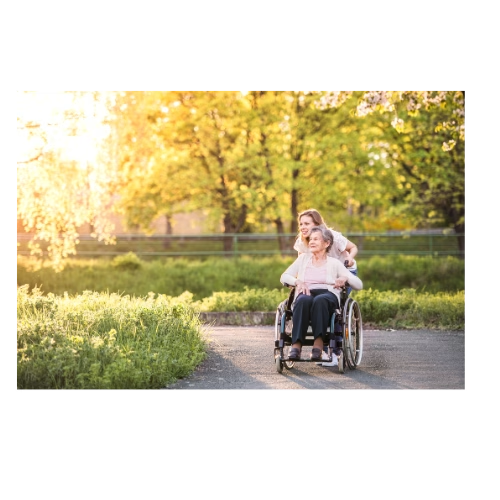 |
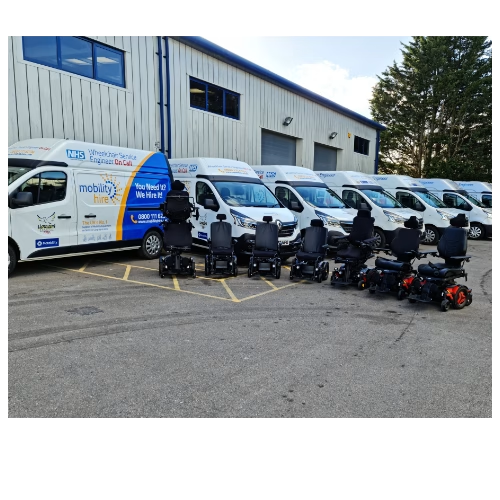
Wheelchairs for cancer recovery: manual and electric wheelchairs for comfortWheelchairs let people conserve energy and move around with dignity. Manual wheelchairs are often lightweight and easy to fold for short trips, while electric wheelchairs (powerchairs) give longer-range independence and reduce fatigue. When choosing, consider seat width, cushion support and ease of transfers. For details on seat sizes, cushions and model options, visit our wheelchairs page or powerchairs page. |
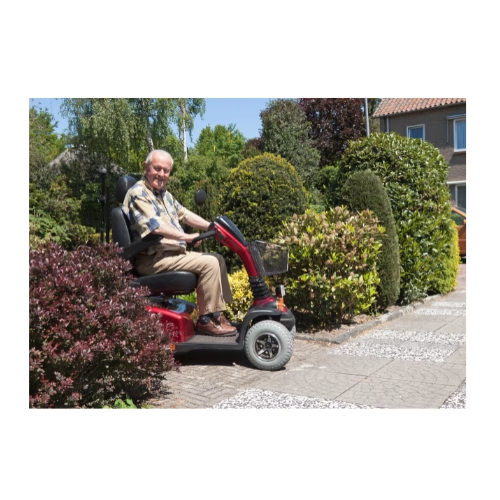
Mobility scooter for cancer survivors: go further, comfortablyIf visiting friends, getting to appointments or shopping is important, a mobility scooter can extend how far someone can go without tiring. Look at range, portability, and whether the scooter fits transport and storage needs. To compare range, portability and features, check out our mobility scooters collection. |
 |
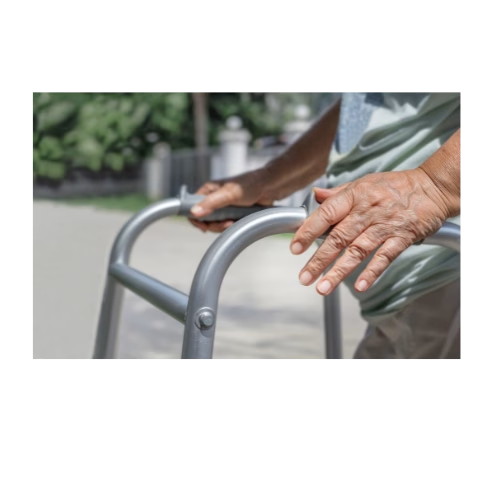 |
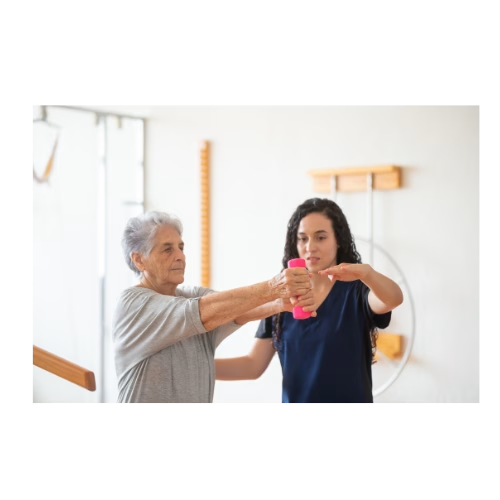
Walking aids after cancer: rollators, walkers and walking sticks for safetyFor shorter distances and improving balance, walking aids are invaluable. Rollators (walkers with wheels and a seat) are popular because they combine stability with the option to rest. An occupational therapist can help choose the right height and style. Find the right walker for balance and comfort on our walking aids page. |
Shower chair for cancer patient & commodes: safe, dignified bathing and toiletingBathrooms can be high-risk areas. Shower chairs, commode chairs and combined shower-commodes allow safe, comfortable washing and toileting when standing is difficult. Many are height-adjustable, easy to clean, and designed to make carers’ tasks simpler. For shower chairs, commodes and combined options, take a look at our shower chairs & commodes range. |
 |
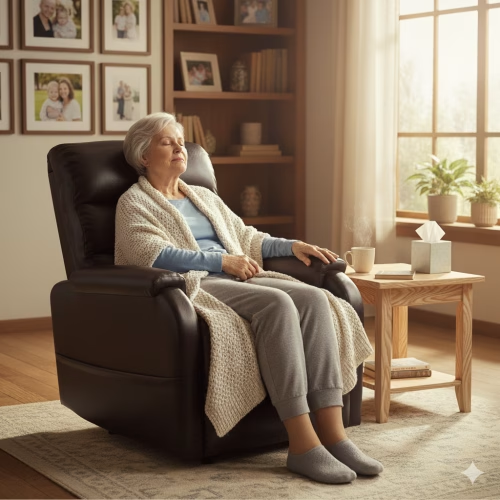 |
Rise and recline chair for cancer patients: comfort that helps you standA rise & recline chair supports comfortable seating and gently lifts the user into a standing position. These chairs protect pressure points, reduce strain on hips and knees, and help people sit and stand with more independence. See our rise & recline chairs to explore sizes, lift functions and fabric choices. |
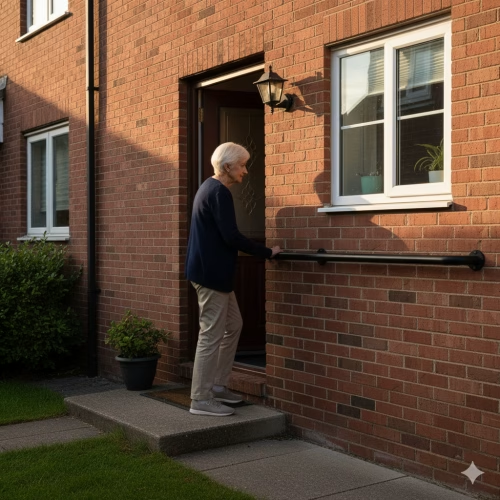
Small home changes that work with mobility equipmentTiny additions often make a big difference: grab rails, non-slip mats, a bedside commode, good lighting and clear pathways. These simple home adaptations complement larger equipment and reduce fall risk. |
 |
 |
Hire vs buy mobility equipment: why hiring from us often makes sense
Choosing whether to hire or buy mobility equipment depends on needs, budget and how long you’ll use the item. Hiring from us is a flexible, low-risk option worth considering:
|
Practical checklist: choosing the right mobility equipment
|
 |
|
Where to find support and further informationFor practical guidance and information in the UK, Macmillan Cancer Support has helpful resources on home adaptations and equipment.
|


