

Living with Cerebral Palsy can present a wide range of mobility challenges, but the right equipment can make a world of difference. Mobility aids are designed to promote independence, comfort, and safety, while also easing the daily tasks for carers. In this guide, we’ll look at the different types of mobility equipment available, from walkers and wheelchairs to hoists and beds, and how they can help improve quality of life.
Walkers and Walking Aids
| Walkers and walking aids are often one of the first pieces of equipment people explore. They can provide vital support for children and adults who want to build strength and stability while moving around. Depending on the level of mobility, options include simple walking frames, rollators with wheels, and specialist gait trainers. These devices are designed to encourage independence, support posture, and help users stay active for longer. |  |
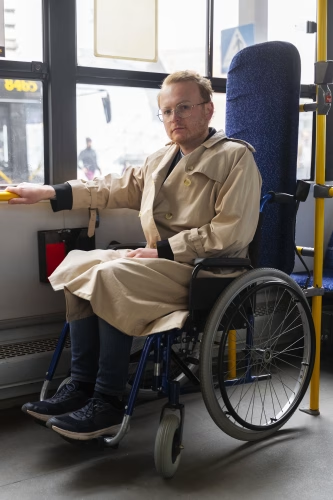 |
Wheelchairs for Comfort and Freedom Wheelchairs are one of the most common mobility solutions for individuals with Cerebral Palsy. They range from lightweight manual wheelchairs to advanced powered chairs with custom seating. Manual wheelchairs are great for short distances or for users who have upper body strength. Powered wheelchairs, on the other hand, can be life-changing for those who want greater independence both indoors and outdoors. Specialist seating systems can also be fitted to wheelchairs to provide extra comfort and support, helping to reduce strain and improve posture. Choosing the right wheelchair is always a personal decision, but with so many options, there is something to suit every lifestyle. |
Hoists and Transfer Equipment
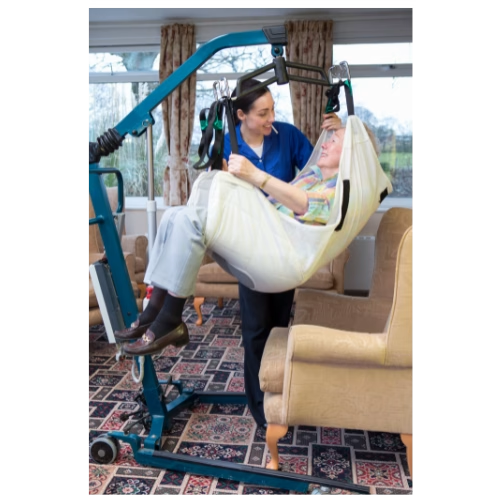
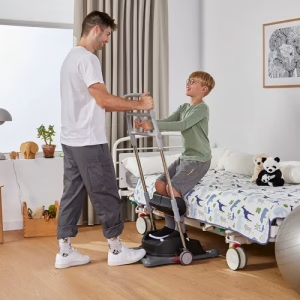
| For many families and carers, safe and comfortable transfers are essential. Hoists are designed to lift and move a person from one place to another, such as from a bed to a chair. They reduce the risk of injury for both the user and the carer. There are different types of hoists available, including ceiling-mounted systems, portable hoists, and stand-assist devices. Each option can make daily routines smoother, safer, and less physically demanding.
|
 |
 |
Specialist Beds and MattressesA good night’s sleep is vital for health and wellbeing. Specialist profiling beds and pressure-relieving mattresses are often recommended for people living with Cerebral Palsy. These beds allow users to adjust positions easily, which can reduce discomfort and support better posture. Pressure-relieving mattresses also help prevent pressure ulcers, ensuring greater comfort over long periods. |
|
Hiring Equipment and VAT ExemptionNot everyone needs to buy mobility equipment outright. Hiring is a flexible and cost-effective option, especially if you only need equipment for a short period. When mobility equipment is hired for someone with Cerebral Palsy, it is exempt from VAT charges. This can make hiring an even more affordable solution for families and carers.
|
Finding the Right Support
|
Choosing the right mobility equipment can feel overwhelming, but you don’t need to make these decisions alone. Talking to healthcare professionals, occupational therapists, or mobility specialists can help you find the equipment that best meets your needs. For additional advice, guidance, and support, you can also visit Scope, a leading charity dedicated to people living with Cerebral Palsy and other disabilities. |
 |
Final Thoughts
The right mobility equipment can open doors to independence, comfort, and new opportunities. Whether it’s walkers for daily movement, wheelchairs for freedom, or hoists for safe transfers, there are solutions designed to support every stage of life with Cerebral Palsy. By exploring your options and seeking expert advice, you can make sure you or your loved one has the right tools to thrive.


