Posted on

How Mobility Aids Can Improve Daily Life for People with Arthritis

How Mobility Aids Can Improve Daily Life for People with Arthritis

Living with arthritis can make everyday tasks painful and exhausting, but the right equipment can ease joint strain, cut down fatigue and help you stay independent. From mobility and walking aids to bathroom aids for arthritis, this guide walks through practical options that make daily life simpler. Whether you need wheelchairs, pressure relieving cushions or other helpful mobility solutions for arthritis, you’ll find clear, friendly advice on what each option does and how it could help you or a loved one.

Arthritis and Everyday Mobility Challenges

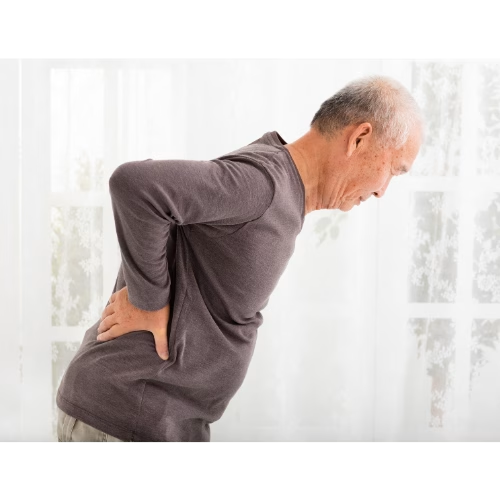
Arthritis is inflammation of one or more joints that can cause pain, stiffness and reduced movement. Two common forms are rheumatoid arthritis, an autoimmune condition that causes painful joint inflammation, and osteoarthritis, a wear-and-tear condition where joint cartilage gradually breaks down. Rheumatoid arthritis is one of the most common inflammatory types and can affect movement, cause fatigue and lead to flare-ups of varying intensity. Osteoarthritis is the most common degenerative type and typically causes pain and stiffness that worsen with activity and over time.

For more information and support with Arthritis you can visit the Arthritis UK website.

Why mobility equipment helps people with arthritis


  • Reduce pain and joint strain during movement
  • Decrease fatigue by making tasks less energy-consuming
  • Improve balance and stability to prevent falls
  • Maintain independence at home and when out and about
  • Help prevent secondary injuries from slips or poor transfers

Match equipment to daily tasks

Rather than thinking “I need a mobility product”, it helps to break needs into tasks and match equipment to those tasks. Below are practical categories with product types and short guidance.

Home and kitchen – equipment to make daily living easier

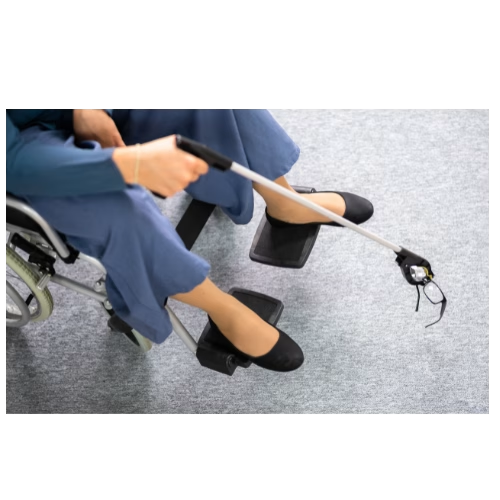
Suggested products: height-adjustable chairs, lightweight trolleys, ergonomic cutlery, jar openers, non-slip mats, long-handled reachers.
Why they help: Reduce bending and gripping strain, allow safe food prep and carrying items without overloading painful joints.

Bathing and personal care – safer toileting and bathing

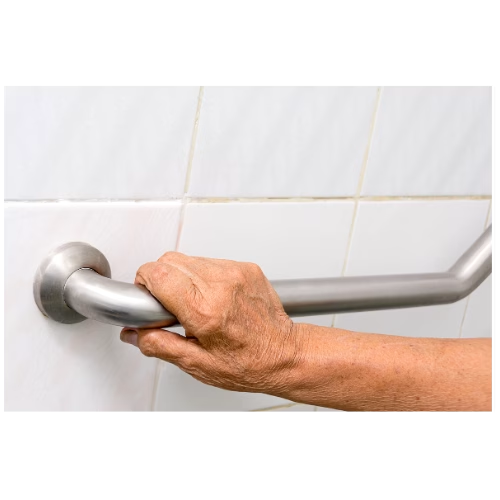
Suggested products: bath lifts, shower chairs, grab rails, raised toilet seats, transfer benches.
Why they help: Reduce slips, make transfers safer and reduce joint twist/strain during bathing. Take a look at our range of bathroom aids.

Dressing and grooming – keep independence with less pain

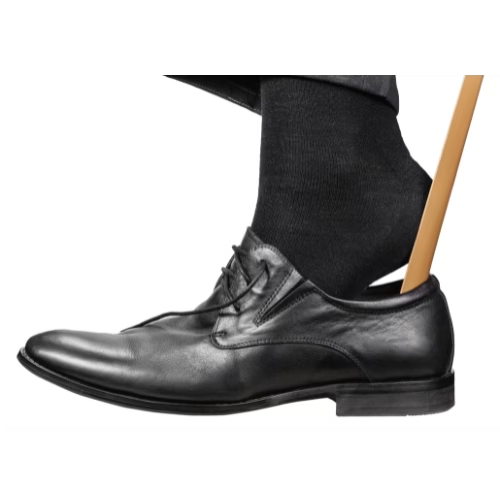
Suggested products: dressing sticks, long-handled shoehorns, button hooks and sock aids.
Why they help: Minimise bending and repetitive joint movement, so dressing takes less time and effort.

Seating and transfers – Increased comfort

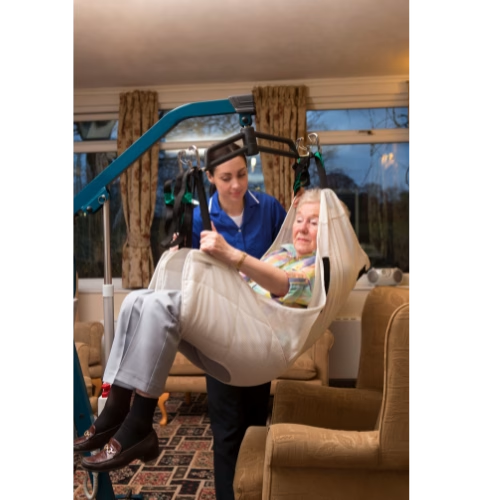
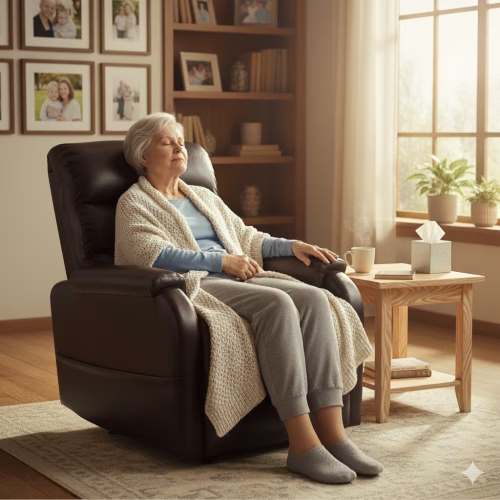
Suggested products: riser-recline chairs (single motor and dual motor), lift chairs, standing-assist chairs, mobile patient hoists, ceiling hoists, compatible slings and transfer belts.
Why they help: Make transfers safer, improve seated comfort and reduce strain when standing up.
Take a look at our range of Rise and Recline Chairs and Hoists.

Walking and mobility – choosing the right walking aid

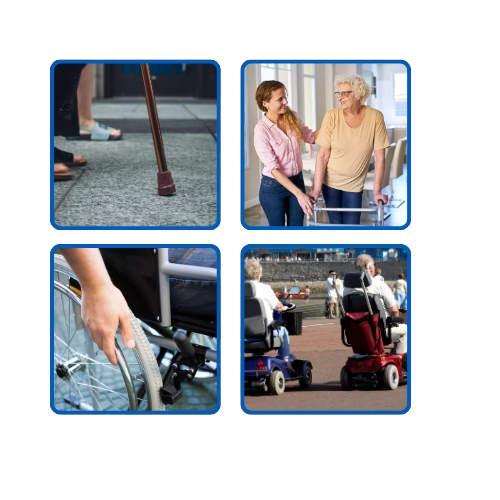
Canes and walking sticks – for light balance support and to reduce load on one side of the body.
Best for: Mild instability, short distances.

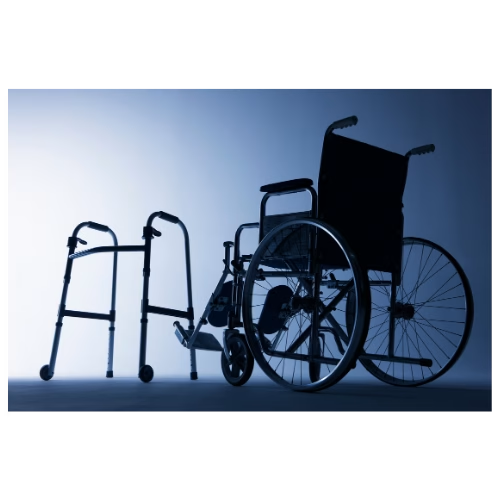
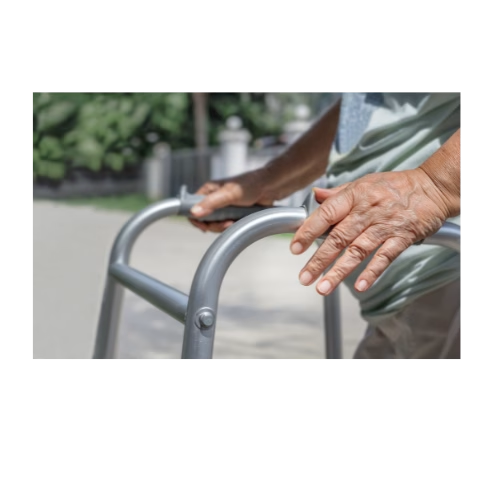
Walkers and rollators – offer higher support and often include a seat for rests.
Best for: People who need stability and brief rest breaks while moving about.
Take a look at our range of Walking aids

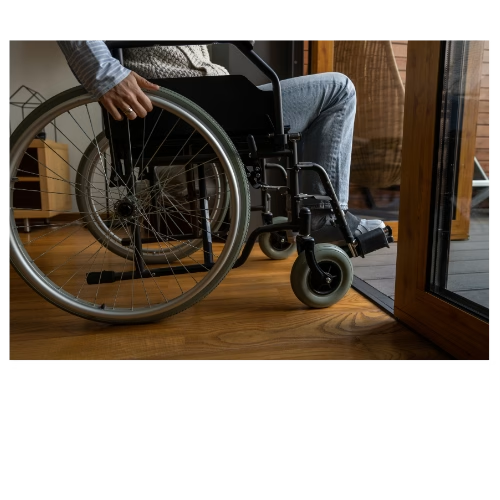
Wheelchairs (manual and powered) – for those who find walking painful or unsafe for longer distances.
Best for: Extended mobility needs, outings, or when energy conservation is essential.
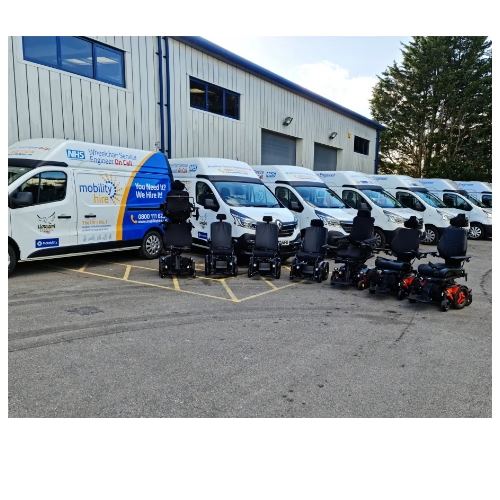
Take a look at our range of Manual and Powered Wheelchairs. 

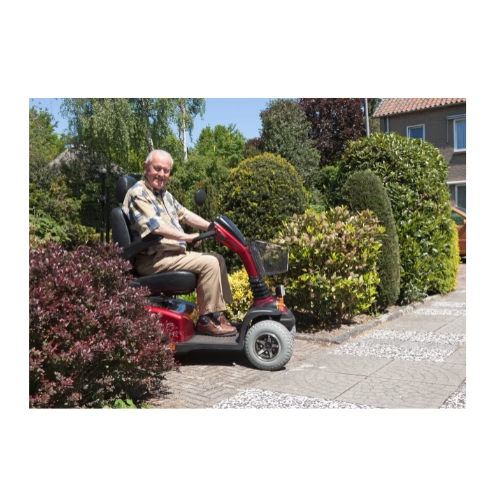
Mobility scooters – for outdoor or community mobility where distances are longer.
Best for: Independent travel to shops or appointments when walking long distances is difficult.
Take a look at our range of Mobility scooters

At-home and environmental modifications – changes that make a house easier to use

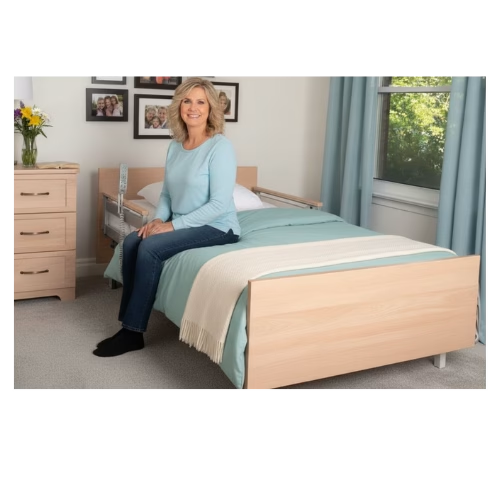
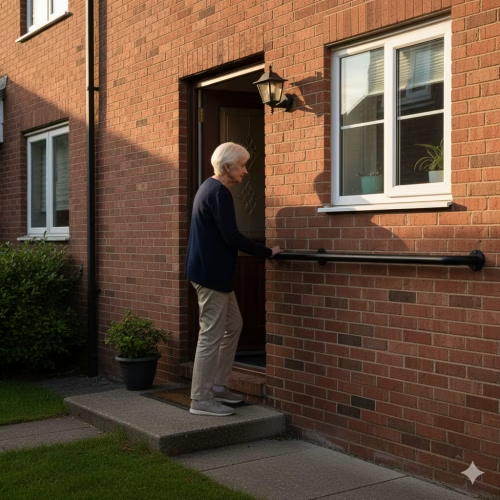
At-home and environmental modifications make daily life safer and less painful by adapting the home to suit changing mobility needs. Installing ramps reduces risky stair navigation, hoists and grab rails make transfers into beds and baths more secure, widened doorways improve wheelchair access, and pressure-relieving mattresses and cushions help reduce joint pain from prolonged sitting or lying. These changes lower joint stress, cut the risk of falls, and support independent living, and many items such as adjustable beds and pressure-relieving mattresses are available to hire for short- or long-term needs.

Pressure-relief and posture – why cushions and beds matter

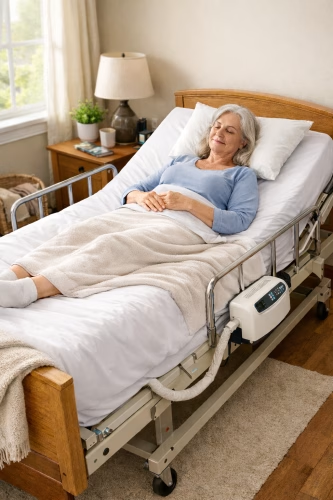
Arthritis can cause uncomfortable pressure points and poor posture. Pressure-relieving cushions, specialist mattresses and adjustable beds help redistribute pressure, reduce pain on sore joints and support better posture making them useful both for sleeping and prolonged sitting.
Take a look at our range of Pressure relieving Cushions and Mattresses


Practical reasons people choose equipment hire vs buy

  • Short-term need (post-surgery or flare-ups) – hiring avoids the often large upfront cost.
  • Trying before buying – hire lets someone test a device to make sure it suits their needs.
  • Temporary home stays (e.g., family member staying over) – hire equipment for short periods.
  • Seasonal or situational use – equipment may only be needed occasionally.

VAT relief made simple

If you’re buying or hiring mobility equipment for someone with arthritis or another long-term condition, you may be able to get it without paying VAT. This includes lots of everyday items like wheelchairs, mobility scooters, specialist beds and even pressure-relieving mattresses. The process is really simple, we will provide a short self-declaration form (no medical proof or prescription needed) and then the VAT is removed at checkout. If you’re not sure whether something qualifies, you can always ask us to guide you through it. It’s a quick way to make essential equipment more affordable and easier to access when you need it.


How we can help

We provide fast delivery, professional set-up and flexible hire terms to suit short-term recovery or longer-term needs. Our engineers will deliver, set up and show you how to use the equipment so you and your carers feel confident using it before they leave.

Posted on

Mobility aids for cancer patients: practical equipment for recovery and independence

Two women laughing one with a green headscarf on

Practical mobility equipment for people living with or recovering from cancer

Cancer treatment and recovery can leave people feeling tired, unsteady or sore — and that’s where the right mobility equipment helps. Small changes such as a specialist hospital bed, a shower chair or a comfortable rise & recline chair can restore confidence, reduce reliance on carers and make day-to-day life easier. This guide outlines helpful mobility equipment choices and explains why hiring from us is the smart, stress-free option.

Hospital bed for cancer patient: bringing safe rest and care home

A specialist hospital bed at home can make a big difference during recovery. Adjustable height, tilting and easy-to-use controls help with transfers, wound care and sleeping in comfortable positions. These beds reduce strain on carers and allow family members to support recovery safely. Explore our different hospital bed options.

Wheelchairs for cancer recovery: manual and electric wheelchairs for comfort

Wheelchairs let people conserve energy and move around with dignity. Manual wheelchairs are often lightweight and easy to fold for short trips, while electric wheelchairs (powerchairs) give longer-range independence and reduce fatigue. When choosing, consider seat width, cushion support and ease of transfers.

For details on seat sizes, cushions and model options, visit our wheelchairs page or powerchairs page.

Mobility scooter for cancer survivors: go further, comfortably

If visiting friends, getting to appointments or shopping is important, a mobility scooter can extend how far someone can go without tiring. Look at range, portability, and whether the scooter fits transport and storage needs.

To compare range, portability and features, check out our mobility scooters collection.

Walking aids after cancer: rollators, walkers and walking sticks for safety

For shorter distances and improving balance, walking aids are invaluable. Rollators (walkers with wheels and a seat) are popular because they combine stability with the option to rest. An occupational therapist can help choose the right height and style.

Find the right walker for balance and comfort on our walking aids page.

Shower chair for cancer patient & commodes: safe, dignified bathing and toileting

Bathrooms can be high-risk areas. Shower chairs, commode chairs and combined shower-commodes allow safe, comfortable washing and toileting when standing is difficult. Many are height-adjustable, easy to clean, and designed to make carers’ tasks simpler.

For shower chairs, commodes and combined options, take a look at our shower chairs & commodes range.

Rise and recline chair for cancer patients: comfort that helps you stand

A rise & recline chair supports comfortable seating and gently lifts the user into a standing position. These chairs protect pressure points, reduce strain on hips and knees, and help people sit and stand with more independence.

See our rise & recline chairs to explore sizes, lift functions and fabric choices.

Small home changes that work with mobility equipment

Tiny additions often make a big difference: grab rails, non-slip mats, a bedside commode, good lighting and clear pathways. These simple home adaptations complement larger equipment and reduce fall risk.

Hire vs buy mobility equipment: why hiring from us often makes sense

Choosing whether to hire or buy mobility equipment depends on needs, budget and how long you’ll use the item. Hiring from us is a flexible, low-risk option worth considering:

  • Short-term or changing needs: If recovery is temporary or needs are likely to change, hiring avoids paying for equipment you only need briefly.

  • Try before you commit: Hiring lets you test models (beds, scooters, chairs) to find the best fit before deciding to buy.

  • Maintenance and support included: With Mobility Hire, routine servicing and breakdown support are taken care of, so you don’t  have to worry about repairs.

  • Lower upfront cost: Hiring keeps up-front costs down, which can be helpful while someone is concentrating on recovery.

  • Quick delivery and set-up: We can supply and set up items ready for use, so families can focus on comfort and care,  not logistics.

Practical checklist: choosing the right mobility equipment

  • Get an assessment from an occupational therapist or physiotherapist if possible.

  • Prioritise safety: correct transfer height, brakes, stable frames and anti-tip features.

  • Match seat width and weight capacity to the user.

  • Consider portability if you need to transport equipment.

  • Think about cushions and pressure relief for long periods of sitting.

Where to find support and further information

For practical guidance and information in the UK, Macmillan Cancer Support has helpful resources on home adaptations and equipment.