
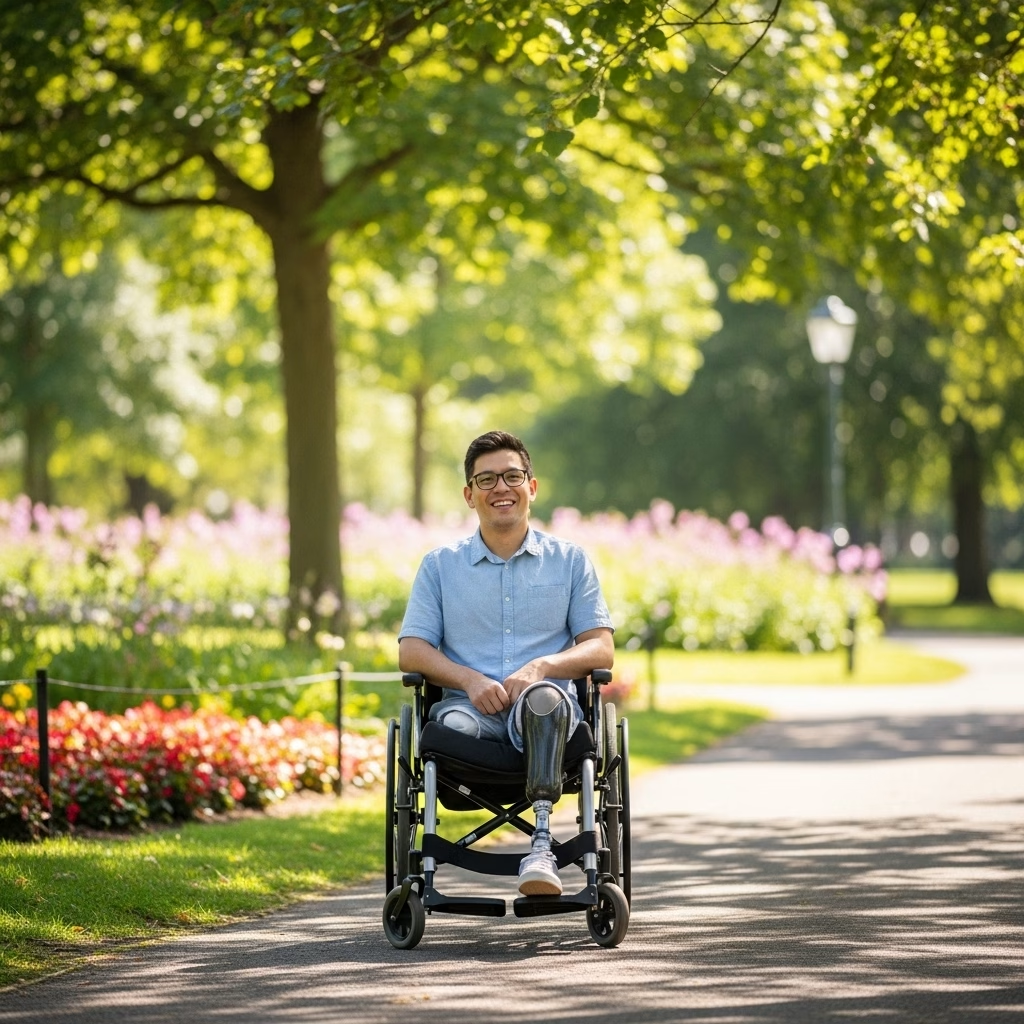
Adjusting to life after an amputation can feel overwhelming, but the right mobility equipment can make daily life easier, safer, and more comfortable. From walkers and wheelchairs to bathroom aids and hoists, these tools are here to support independence and confidence.
In this guide, we’ll explore the different types of equipment you might find useful, explain why they matter, and share some helpful information about VAT relief for hired items.
Why mobility equipment matters
|
Having the right support can make a big difference in everyday life. Mobility equipment helps you move around safely, perform daily activities, and enjoy more independence. Small changes, like a new walking aid or bathroom support, can have a big impact on your comfort and confidence.
|
 |
|
|
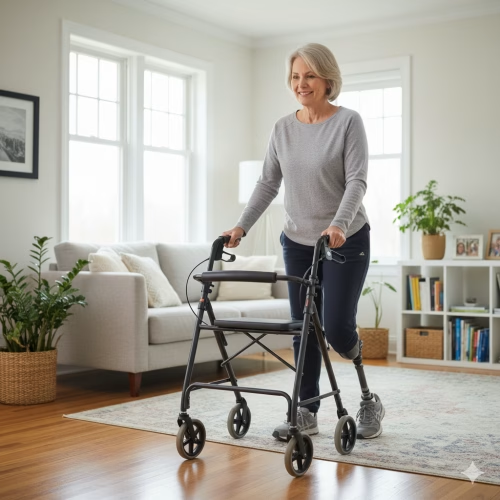
Walkers, Rollators and Walking SticksWalking aids can be a big help when regaining confidence after an amputation. Walking sticks are light and easy to use, ideal for short distances or giving a little extra balance. Walking frames offer more stability and are especially helpful in the early stages while learning to use a prosthesis. Rollators have wheels and a built-in seat, so you can move safely and take a rest whenever needed. These aids are often the first step toward getting back on your feet, and a therapist can help you choose the right type and ensure it fits comfortably. |
 |
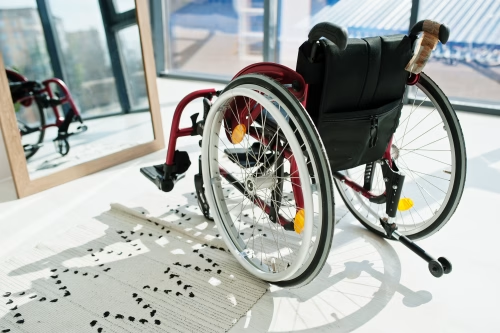
Manual WheelchairsManual wheelchairs are versatile and provide freedom when walking isn’t possible or is tiring. There are lightweight versions that are easy to push, as well as sturdier chairs for everyday use. Some people use them temporarily during recovery, while others find them helpful for long-term support. Wheelchairs allow you to move around independently and safely while you focus on rehabilitation.
|
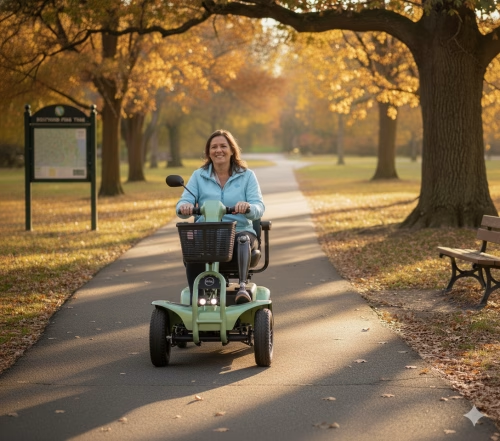
Powerchairs and Mobility ScootersFor extra independence, powered options like electric wheelchairs (powerchairs) or mobility scooters can be a great choice. These make longer distances easier and reduce physical effort. Powerchairs are ideal for indoor and outdoor use, while mobility scooters work well for trips outside the home. Choosing the right model depends on your lifestyle, environment, and personal comfort. |
|
Bathroom Aids and Home Support
|
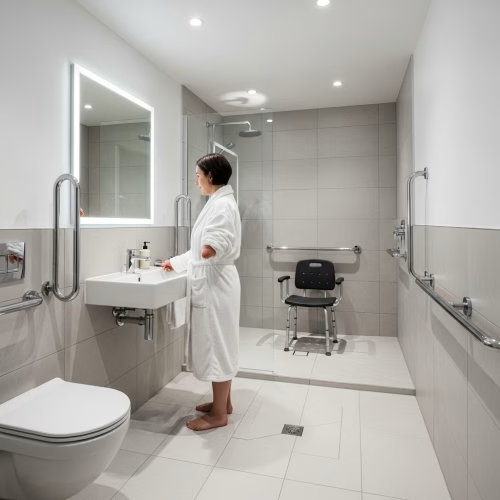
Daily routines like washing or using the toilet can feel safer with the right support. Helpful options include:
These small changes can make everyday tasks much more manageable and give you extra confidence around the home.
|
 |
|
|
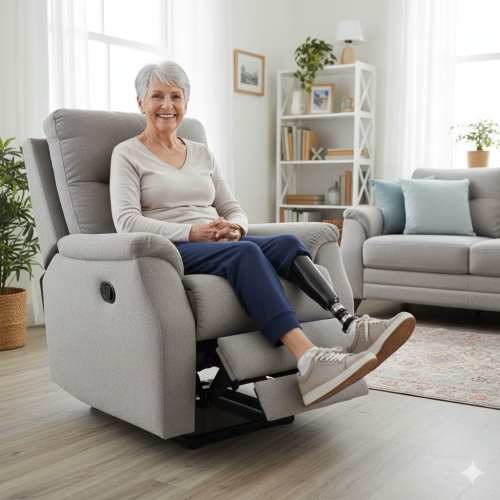
Transfers, Hoists and Seating Moving between rooms or getting in and out of chairs can sometimes be challenging. Equipment like transfer hoists, riser-recliner chairs, and supportive cushions can make these movements safer and smoother. They’re especially helpful if you need assistance from a carer, making daily routines less stressful for everyone. |
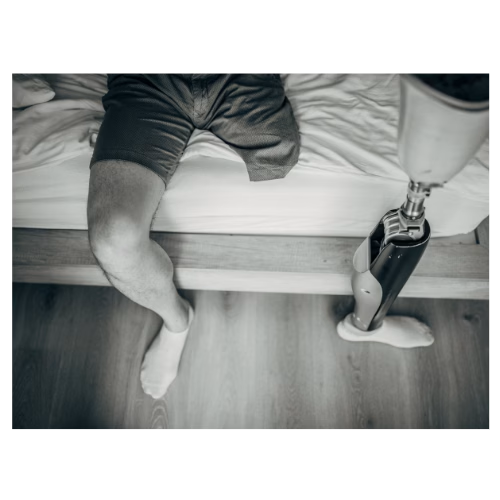 |
Prosthetic AccessoriesIf you use a prosthesis, small accessories can improve comfort and functionality. Items such as liners, socks, and cushions help the prosthesis fit better and make wearing it more comfortable throughout the day. Your prosthetist can recommend the best options for your needs.
|
Buying or Hiring Equipment
|
Sometimes it makes sense to buy equipment you’ll use long-term, like a personalised wheelchair or specialist seating. Hiring is a great solution for short-term needs or while you try out different options. Good news: if you hire qualifying equipment as an amputee, it may be exempt from VAT, making it more affordable. Suppliers can guide you through what’s eligible and how the rules apply.
|
 |
|
|
Extra Support and AdviceIf you’d like more guidance or want to connect with others, these organisations are helpful:
They provide friendly advice, trusted information, and communities where you can share experiences. |
How We Can Help
We offer a wide range of mobility equipment for hire or purchase, from walkers and wheelchairs to bathroom aids and hoists. We can also explain VAT relief and help you choose what’s right for your situation.
Take a look at our full range of equipment on our mobility hire page.


