What Is SMA? A Simple Guide to Spinal Muscular Atrophy
With increased media coverage and awareness campaigns, more families are asking what is SMA, how common is SMA, what causes SMA, and how it affects babies, children, and adults. Spinal muscular atrophy, often shortened to SMA, is a genetic condition that affects muscle strength and movement. It is sometimes referred to as SMA disease or an SMA condition, and while it is rare, it can have a significant impact on daily life. Understanding the different SMA type classifications, including type 1 SMA, as well as SMA life expectancy, SMA treatment, and can help families feel more informed and supported.
This guide explains SMA in clear, simple terms. It is designed to support families, carers, and anyone wanting to learn more about SMA in babies, children, and adults.
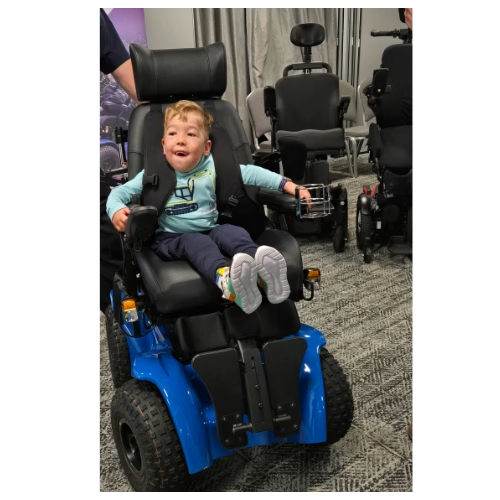
What Is SMA?So, what is SMA exactly? Spinal muscular atrophy is a genetic condition that affects the nerves that control muscle movement. These nerves, called motor neurons, are found in the spinal cord. In people with SMA, these motor neurons do not work properly and gradually stop sending signals to the muscles. As a result, muscles become weak and may shrink over time. This muscle weakness can affect movement, posture, breathing, and swallowing. However, it is important to understand that SMA does not affect intelligence or learning ability. SMA is present from birth, even if symptoms do not appear straight away. The severity of the condition depends on the SMA type a person has. |
 |
 |
What Causes SMA?Many people ask, what causes SMA? SMA is caused by a change in a gene called SMN1. This gene is responsible for producing a protein that keeps motor neurons healthy. Without enough of this protein, motor neurons cannot survive. SMA is inherited in an autosomal recessive way. This means:
Because of this, SMA can affect families with no previous history of the condition. |
How Common Is SMA?Another common question is how common is SMA. SMA is considered a rare condition, but it is one of the most common genetic causes of infant mortality. In the UK:
While SMA is rare, increased awareness and improved testing mean it is being identified earlier than ever before. |
|
 |
Understanding the Different SMA TypesThere are several SMA type classifications. These are based on when symptoms appear and how severe they are. Although each type is different, there is a wide range of experiences within each group. Type 1 SMA
Type 2 SMA
Type 3 SMA
Type 4 SMA
|
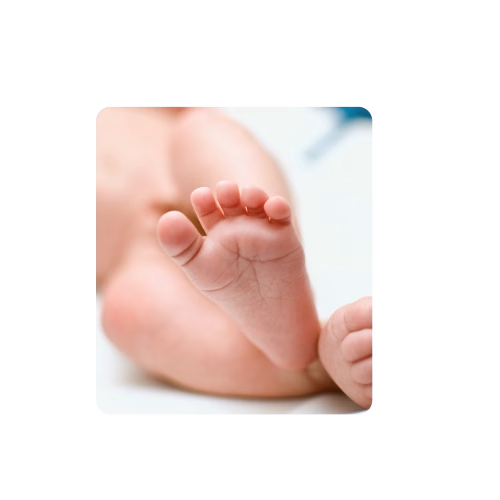
SMA in Babies and Early SignsSMA in babies can sometimes be difficult to spot at first. However, early signs may include:
Early diagnosis is important because starting treatment as soon as possible can significantly improve outcomes. |
 |
 |
SMA testing and newborn screeningEarly diagnosis can make a real difference because treatments work best when started early. For that reason, many clinicians and charities support newborn screening for SMA. However, SMA is not yet part of the NHS newborn blood-spot (heel prick) screening programme in England. Until any national screening is introduced, doctors diagnose SMA using genetic tests when symptoms or a family history suggest the condition. We know this can feel worrying for families, so for the most up-to-date information please check the guidance from SMA UK and the NHS. |
SMA Treatment and Ongoing CareThere is currently no cure for SMA. However, SMA treatment has advanced rapidly in recent years. Available treatments aim to:
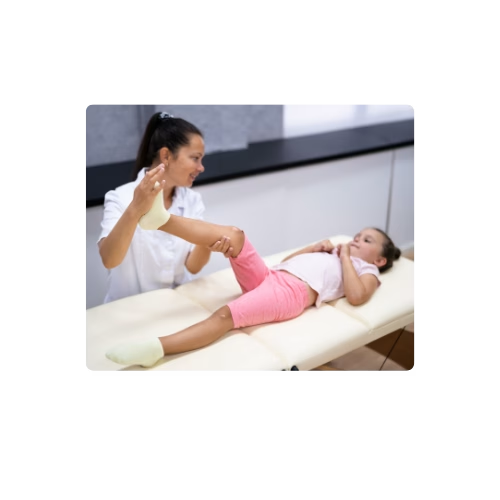
Alongside medical treatments, ongoing care often includes:
Each care plan is tailored to the individual, based on their SMA type and needs. |
 |
 |
SMA Life ExpectancyMany families understandably worry about SMA life expectancy. This can vary greatly depending on the type of SMA and access to treatment.
While SMA remains a serious condition, the outlook today is very different from what it was even a decade ago. |
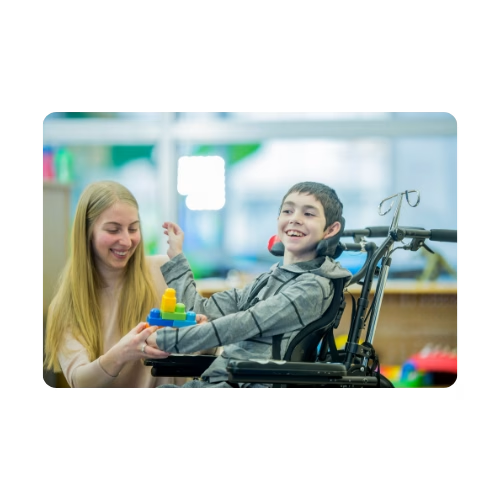
Living With an SMA ConditionLiving with an SMA condition involves adapting to changing needs over time. However, with the right support, many people with SMA lead full and active lives. Support may include:
Charities and support organisations play a vital role in helping families navigate life with SMA. For trusted information and support, visit SMA UK, the leading UK charity dedicated to supporting people affected by SMA. |
 |
|
|
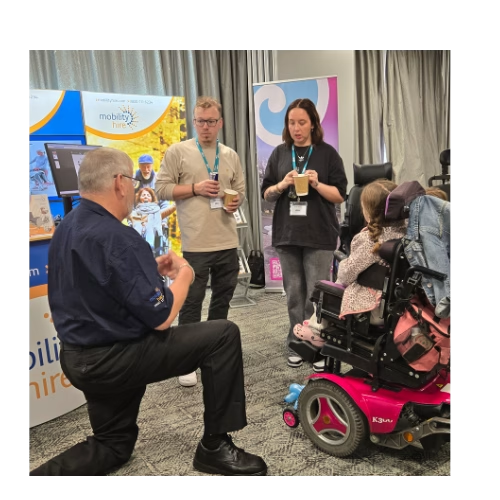
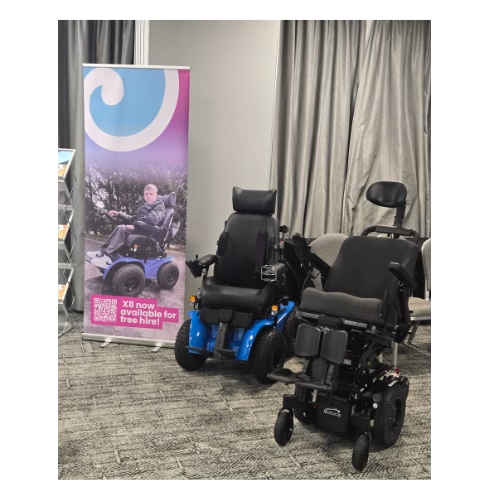
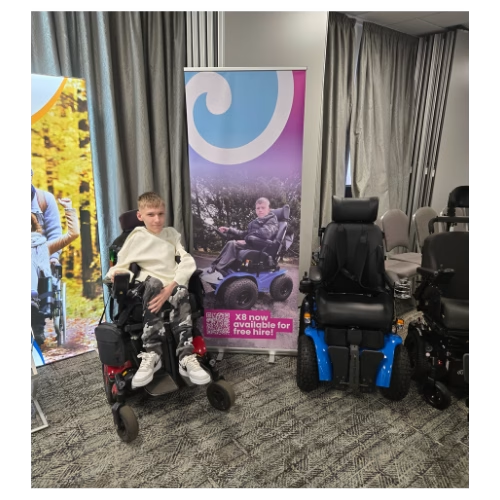
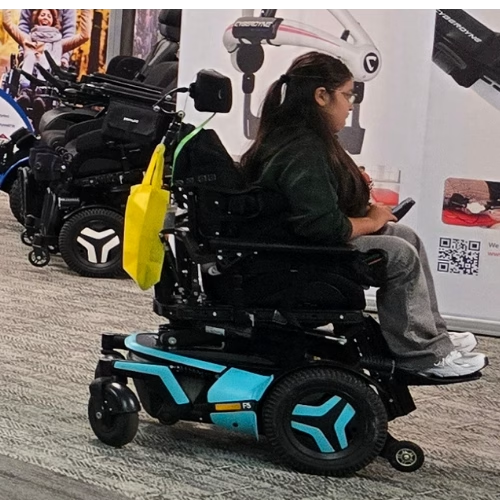
Mobility, Independence and Everyday SupportAs SMA affects muscle strength, mobility support often becomes an important part of daily life. Equipment such as powered wheelchairs, specialist seating, hoists, and adjustable beds can help improve comfort, independence, and safety. Needs can change over time, especially for children who are growing or during periods of recovery or adjustment. For some families, short term access to equipment can be helpful while waiting for assessments, funding, or permanent solutions. At Mobility Hire, we understand that every situation is different. Hiring mobility equipment can offer flexibility and peace of mind, without long term commitment. Our focus is always on supporting comfort, independence, and dignity in a way that feels right for each individual and family. |
Why Awareness of SMA MattersIncreased media coverage has helped shine a light on SMA. As a result, more people are learning what is SMA, how it is diagnosed, and how treatment has progressed. Greater awareness helps to:
By sharing clear and accurate information, we can help ensure that families affected by SMA feel informed, supported, and understood. |
 |
|
|
Final ThoughtsSpinal muscular atrophy may be rare, but its impact is significant. Understanding the different SMA type classifications, recognising SMA in babies, and knowing what support is available can make a real difference. If you or someone you care for has been affected by SMA, you are not alone. Support, information, and practical help are available, and ongoing research continues to improve outcomes for people living with SMA. |