Posted on

Mobility Equipment for People Living with Cerebral Palsy

Living with Cerebral Palsy can present a wide range of mobility challenges, but the right equipment can make a world of difference. Mobility aids are designed to promote independence, comfort, and safety, while also easing the daily tasks for carers. In this guide, we’ll look at the different types of mobility equipment available, from walkers and wheelchairs to hoists and beds, and how they can help improve quality of life.

Walkers and Walking Aids

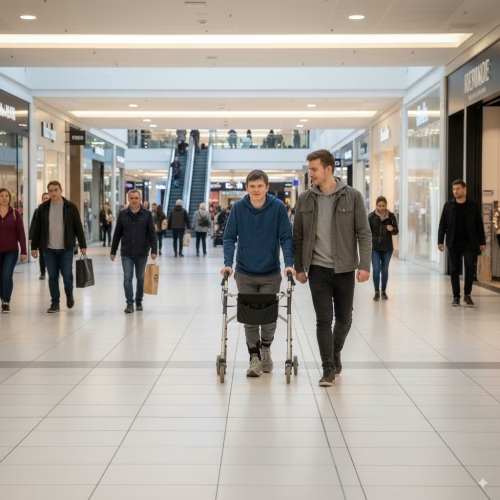
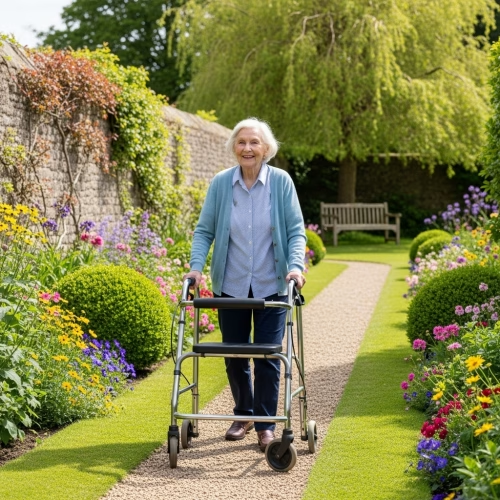
Walkers and walking aids are often one of the first pieces of equipment people explore. They can provide vital support for children and adults who want to build strength and stability while moving around. Depending on the level of mobility, options include simple walking frames, rollators with wheels, and specialist gait trainers. These devices are designed to encourage independence, support posture, and help users stay active for longer.


Wheelchairs for Comfort and Freedom

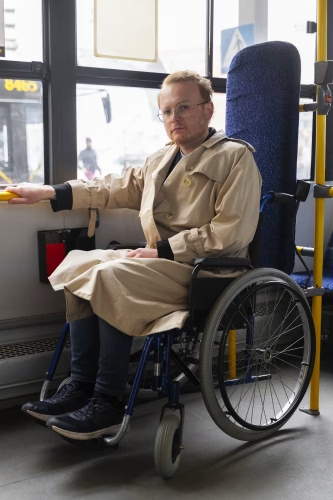
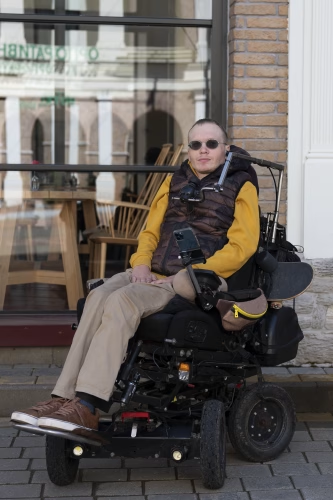
Wheelchairs are one of the most common mobility solutions for individuals with Cerebral Palsy. They range from lightweight manual wheelchairs to advanced powered chairs with custom seating. Manual wheelchairs are great for short distances or for users who have upper body strength. Powered wheelchairs, on the other hand, can be life-changing for those who want greater independence both indoors and outdoors.

Specialist seating systems can also be fitted to wheelchairs to provide extra comfort and support, helping to reduce strain and improve posture. Choosing the right wheelchair is always a personal decision, but with so many options, there is something to suit every lifestyle.

    Hoists and Transfer Equipment

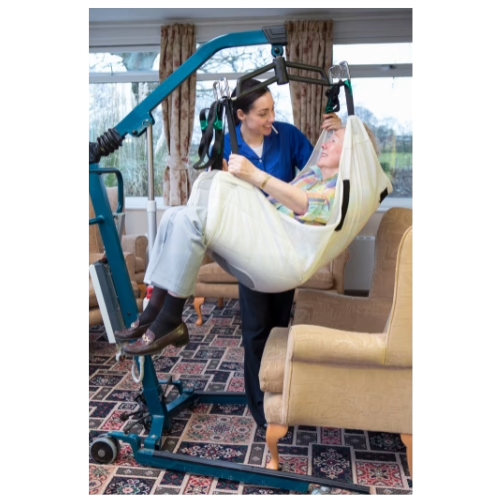
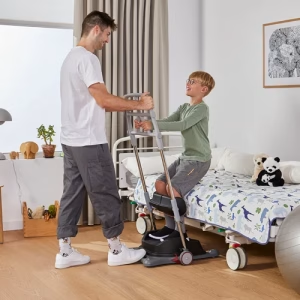
For many families and carers, safe and comfortable transfers are essential. Hoists are designed to lift and move a person from one place to another, such as from a bed to a chair. They reduce the risk of injury for both the user and the carer. There are different types of hoists available, including ceiling-mounted systems, portable hoists, and stand-assist devices. Each option can make daily routines smoother, safer, and less physically demanding.


Specialist Beds and Mattresses

A good night’s sleep is vital for health and wellbeing. Specialist profiling beds and pressure-relieving mattresses are often recommended for people living with Cerebral Palsy. These beds allow users to adjust positions easily, which can reduce discomfort and support better posture. Pressure-relieving mattresses also help prevent pressure ulcers, ensuring greater comfort over long periods.


Hiring Equipment and VAT Exemption

Not everyone needs to buy mobility equipment outright. Hiring is a flexible and cost-effective option, especially if you only need equipment for a short period. When mobility equipment is hired for someone with Cerebral Palsy, it is exempt from VAT charges. This can make hiring an even more affordable solution for families and carers.


    Finding the Right Support

Choosing the right mobility equipment can feel overwhelming, but you don’t need to make these decisions alone. Talking to healthcare professionals, occupational therapists, or mobility specialists can help you find the equipment that best meets your needs.

For additional advice, guidance, and support, you can also visit Scope, a leading charity dedicated to people living with Cerebral Palsy and other disabilities.

Final Thoughts

The right mobility equipment can open doors to independence, comfort, and new opportunities. Whether it’s walkers for daily movement, wheelchairs for freedom, or hoists for safe transfers, there are solutions designed to support every stage of life with Cerebral Palsy. By exploring your options and seeking expert advice, you can make sure you or your loved one has the right tools to thrive.

Posted on

From Walkers to Wheelchairs: Mobility Equipment After a Stroke

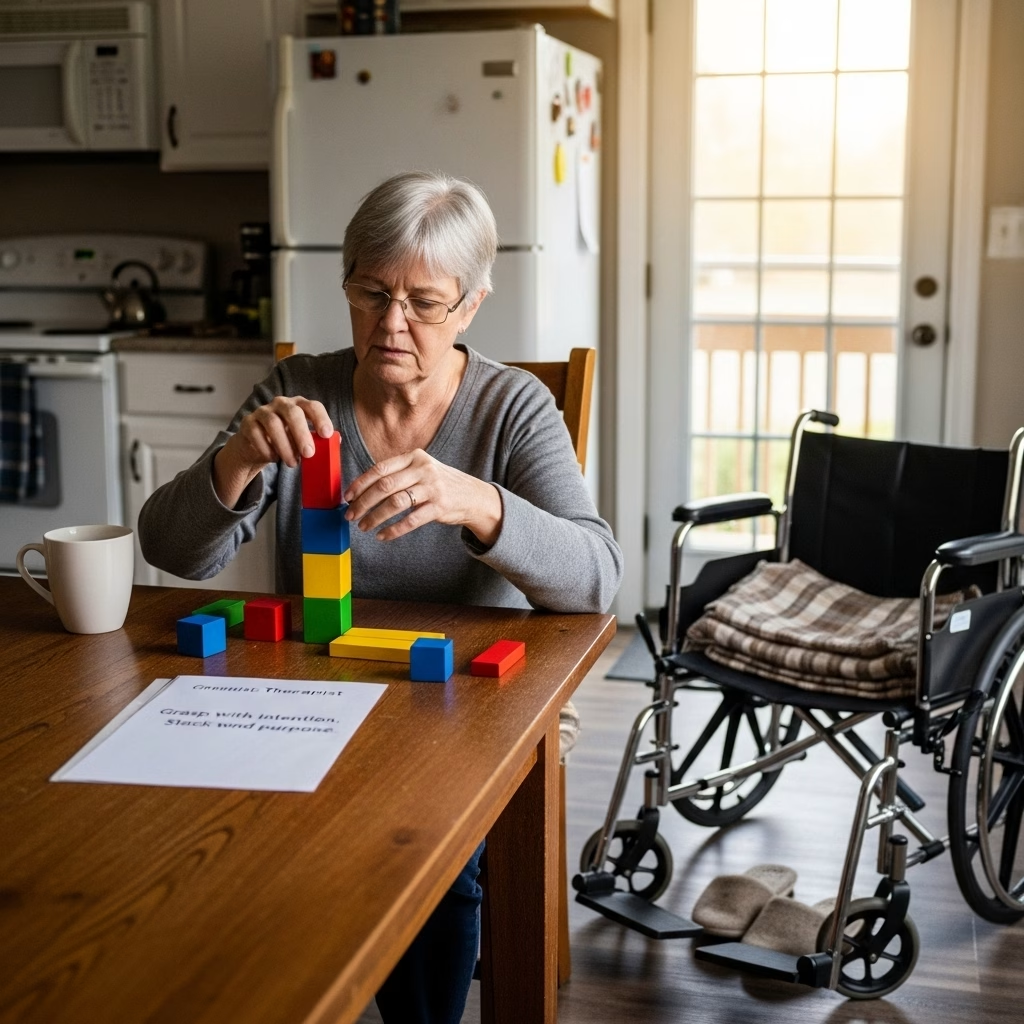
Recovering from a stroke is a journey that often involves adapting to new challenges. Mobility equipment can play a vital role in helping someone regain independence, stay safe, and make daily life easier. From walking aids to specialist seating, the right support can make a big difference. This guide looks at the most common types of equipment and explains how they can help, as well as what you need to know about VAT relief when hiring equipment. For trusted medical guidance, the Stroke Association is a valuable source of information and support.

Regaining confidence with walking aids

One of the first steps in stroke recovery often involves walking practice. Canes and walking sticks provide light support for those who only need a little extra balance. For people who need more stability, frames such as walkers can offer a firmer base. Rollators, which are walkers with wheels and built-in seats, are especially helpful when longer distances are involved as they provide the chance to rest when needed. The choice of aid usually depends on guidance from a physiotherapist, who can recommend what suits a person’s strength and balance at different stages of recovery.

Wheelchairs and powerchairs for everyday mobility

If walking is difficult, a wheelchair can help someone move around safely and comfortably. Manual wheelchairs are often used in the short term or when the person still has good upper body strength. For those who need to travel longer distances or struggle with self-propelling, powerchairs can restore independence both indoors and outdoors. Choosing the right option often comes down to size, weight, terrain, and how easy the chair is to control. Working with a supplier and healthcare professional ensures the chair is properly fitted to the person’s needs.


Making the bathroom safer

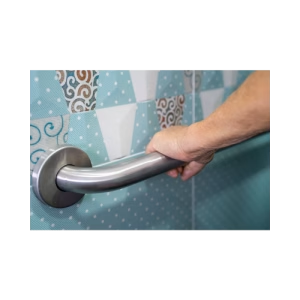
The bathroom can be one of the trickiest areas after a stroke, but small changes can prevent accidents and increase confidence. Grab rails and shower seats help reduce the risk of slipping. Bath lifts and transfer benches allow safer access to the bath, while raised toilet seats and commodes make it easier to sit and stand without strain. These simple adaptations protect dignity and promote independence, while also easing the role of family members or carers.

Support with transfers and stairs

Moving safely from bed to chair or from one room to another can sometimes require extra help. Hoists, whether ceiling-mounted or mobile, allow safe transfers without the risk of injury to the individual or carer. If climbing stairs is no longer possible, stairlifts or platform lifts provide access to different levels of the home without the dangers of steep steps. In some cases, adaptations such as ramps or widened doorways can also improve access.

Comfort through specialist seating and beds

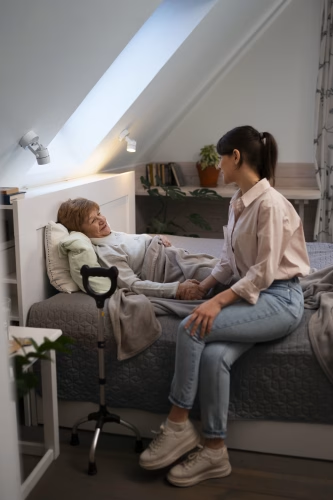
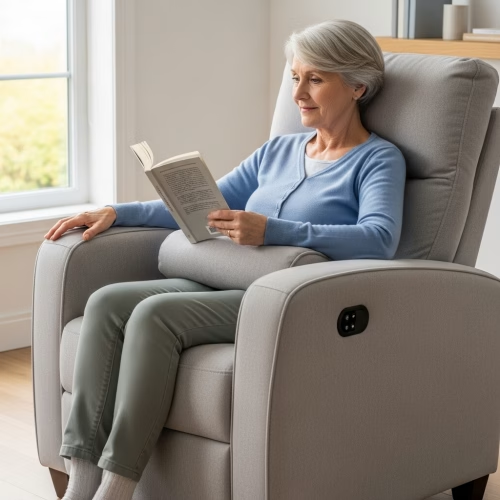
Comfort is just as important as mobility when recovering from a stroke. Riser-recline chairs are designed to make it easier to stand up from a seated position, while adjustable beds provide better support for rest and repositioning. Pressure-relieving mattresses are also beneficial for people who spend more time in bed, as they reduce the risk of pressure sores and improve overall comfort. These items are often overlooked but can have a huge impact on quality of life.


Small adaptations that make a big difference

Not all useful equipment is large or complex. Everyday items such as reachers, transfer boards, or simple assistive technology can make tasks much easier. Something as straightforward as a grabber tool helps reduce bending and stretching, while a voice-controlled assistant can help with reminders and communication. These small changes may seem minor, but they add up to a greater sense of independence.


    Hiring equipment and VAT relief

Hiring mobility equipment is a popular option during stroke recovery, particularly when needs may change over time. The good news is that any eligible equipment hired for someone who is disabled or recovering from a stroke is exempt from VAT. That means you will not pay VAT on hire costs for items such as wheelchairs, beds, or bathroom aids, as long as they are being used by the person in recovery.

To make life easier, we’ve gathered all of our hire products in one place, visit our main product page to see the full range.

Choosing equipment that makes life easier

Choosing the right mobility equipment after a stroke can feel overwhelming, but it does not need to be. With guidance from healthcare professionals and advice from a trusted supplier, the right mix of aids can make everyday life easier, safer, and more comfortable. To learn more about stroke recovery and additional support, visit the Stroke Association’s website.